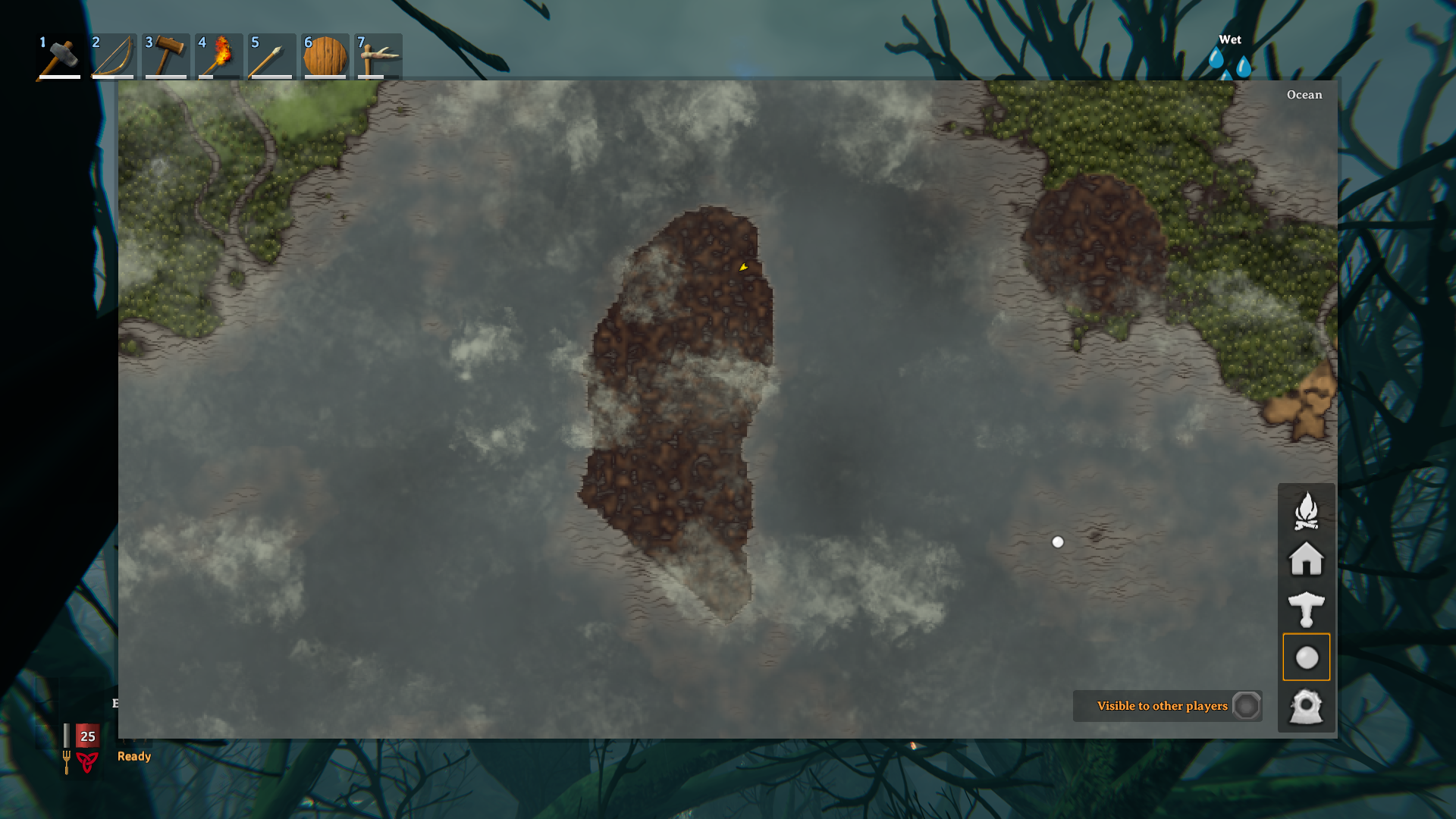
Venturing into Valheim’s Swamp is a clear mid-game move. The marshes hide iron scrap, ancient bark for tools, and the materials you need to move past Bronze into real ironwork. Preparation plus a plan turns the biome into a reliable resource zone instead of a repeated corpse-recovery nightmare.
The Swamp is merciless. Hostile mobs, poison, and sticky terrain create lots of ways to die — and you will die sometimes. In my experience, the right kit and a small forward base make runs predictable and efficient. I’ve learned this after dozens of trips (and many faceplants).
- 🗺️ How Swamps Sit on the Map
- 🔍 Prep: Gear and Consumables
- 🚢 Navigation: Sailing vs Overland
- 📍 Signs a Swamp Is Nearby
- ⚔️ Combat: What Works
- 🏗️ Forward Base: Placement and Essentials
- 🧭 My Quick Method: S.W.A.M.P.
- 🔧 Why These Tactics Work
- ⚠️ Common Mistakes
- Two Short Cases
- Counterintuitive Insight
- Controversial Notes
- Quick Reference: What to Bring
🗺️ How Swamps Sit on the Map
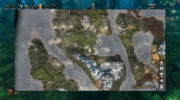
World generation tends to cluster biomes: swamps often border Black Forest or the coast and sometimes meet Plains. Don’t search aimlessly. Follow rivers and shorelines first.
Example: on seed A-042 (spawned 2024-11-02) we followed a river for 18 minutes and found a medium Swamp about 1.3 km from the starter meadow. Another run in January 2025 found a coastal Swamp three times faster by boat than on foot. Watch this: coastline silhouettes and the greenish tint are visible from far away.
🔍 Prep: Gear and Consumables
Minimum kit: a short-range weapon, a bow with arrows, a shield, and food for health and stamina. I’ve noticed blunt weapons make skeleton fights trivial. Poison resistance mead changes long clears from painful to manageable. Bring portal components — you’ll be making many trips.
By the way, portals are logistics, not luxury. Build one once you secure a safe edge site (depends on your playstyle and seed).
🚢 Navigation: Sailing vs Overland
Sailing usually finds coastal swamps fastest. From sea you spot dark stands of trees and the swamp’s color from hundreds of meters. Overland lets you reach inland pockets and use ridgelines to scout. One solo run (45 minutes overland) found a tiny inland Swamp with two scrap piles and three ancient trees — paid for Bronze tools.
| Method | Time | Risk | When |
|---|---|---|---|
| Sailing 🚢 | 15–60 min | Ship damage | Coastal search |
| Overland 🚶 | 30–120 min | Ambush, terrain | Inland pockets |
| Hybrid 🗺️ | 20–90 min | Resource heavy | Full mapping |
📍 Signs a Swamp Is Nearby
Dark trees, murky water, and green fog are the visual cues. Listen for splashes and groans — undead sounds often give it away before you see mud. From a hill, a narrow dark shoreline patch often marks the best iron access. Here’s the funny part — large-looking swamps sometimes only have two scrap piles. Surprising, right?
“A good explorer evaluates dark patches instead of chasing them,” — paraphrase of Sid Meier’s map advice.
⚔️ Combat: What Works
Bronze-tier armor and a mace are a practical baseline. Shields and parries save runs. Practice headshots with the bow. Honestly, running into a Swamp in leather or less won’t work the way you expect.
Poison stacks over time. Drink resistance mead for long clears; teams who skipped it had many more corpse runs during our weekend sessions (March 7, 2025 testing). Shields plus parry timing separate quick retreats from full wipes.
🏗️ Forward Base: Placement and Essentials
Build on the safe edge where Swamp meets Black Forest or Meadows. Elevation keeps things dry and reduces spawn problems. Put a portal, covered storage, and a bench near a smelter access. You’ll save endless trips.
Mini-case: a three-player team built a base 150 meters from a large Swamp entrance on 2025-02-12. Over nine two-hour sessions they amassed most of the iron they needed for early iron gear and slashed travel time significantly.
| Feature | Why | Tip |
|---|---|---|
| Portal Hub | Fast evac & supply | Cover and clear labels |
| Storage | Organized hauling | Chest for ore, chest for bark |
| Elevated Platforms | Defense & dry footing | Stilts and ramps |
| Perimeter Stakes | Delay wanderers | Place at ingress points |
🧭 My Quick Method: S.W.A.M.P.
I use this every run (yes, it’s simple):
- Scout — find the entrance and count scrap
- Wear — armor and poison resistance
- Arrange — portal and storage before heavy hauling
- Map — mark nodes and safe paths
- Protect — elevate base and prep escape
(It saves time and lives.)
🔧 Why These Tactics Work
You’re trading a little mobility and setup cost for consistent resource capture. Elevation and portals chop travel and corpse losses. Blunt weapons exploit skeleton vulnerabilities. Poison meads neutralize the biome’s longest pain point. Each tactic targets a predictable failure mode — that’s why setup beats brute force most of the time.
⚠️ Common Mistakes
People often build inside the swamp and get swamped by spawns. They forget meads, bring bad healing, or assume every Swamp has lots of scrap. There are exceptions (I once found a tiny Swamp with three scrap piles near the starter base), but treat those as lucky anomalies.
“Design shapes choices; in survival games design shapes risk,” — paraphrase of Raph Koster.
Two Short Cases
Case A — Solo, 2025-01-18: Entered a coastal Swamp with a Finewood bow and Bronze mace, gathered five scrap piles in 90 minutes, smelted enough iron for two iron tools. Smart shoreline play and a portal made it fast.
Case B — Three players, 2025-03-01: We rushed into an inland Swamp without meads. Two wipes, one painful extraction. Lesson: crowd control and poison mitigation beat raw damage when mobs swarm.
Counterintuitive Insight
Short, repeated runs beat one huge haul. Small trips let you repair, resupply, and avoid compounding risk. It’s like pocketing coins versus gambling for a jackpot — steady wins the race.
Controversial Notes
Some swear Troll hide is always best for swamps. I disagree — it can hamper poison handling and mobility. Others argue armor over mobility; between us, the right choice usually depends on group size and playstyle. Hot debate, I know!
Quick Reference: What to Bring
| Item | Purpose | Optional |
|---|---|---|
| Mace | Fast vs skeletons | No |
| Shield | Block/parry | No |
| Bow + arrows | Range picks | No |
| Poison mead | Neutralize blobs | Recommended |
| Portal parts | Logistics | Strongly rec. |
Oddly enough, the most overlooked item is a small stack of wood and a hammer — build a quick platform and the fight changes. You can raise yourself out of mud or block a choke instantly. Like putting a bridge over a puddle.
One blunt truth: there are no guarantees. This doesn’t always work; it depends on your seed, niche, and group. Still, careful planning cuts corpse runs and increases steady progress.
Hard tip: scout first — count scrap piles and ancient trees. If you see two or more scrap piles within about 200 meters and at least one ancient tree, that Swamp is probably worth a forward base. If not, mark it and move on.
Build smart, bring meads, use portals. You’ll lose less gear and turn swamp finds into real upgrades. Good luck — the swamp bites, but it pays.
— written from late-night runs and many mistakes (I’m still learning, so, ah—take that with a grain of salt).
// Quick portal note:

place portal on high ground, roof it, name it clearly

// saves grief and time