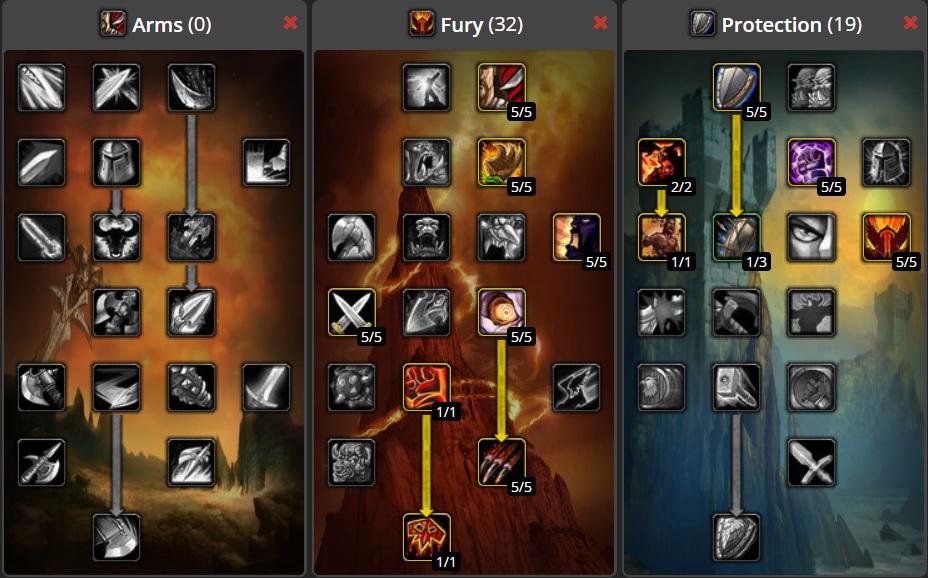
Want a straightforward Warrior tank for Rift 1.7 PVE that actually works? I’ve tanked organized raids and pickup groups for years, and this Reaver(29) / Paladin(32) / Warlord(5) setup gives solid mitigation and reliable threat when used right. Honestly, it’s practical and predictable — that’s what matters in tough fights.
I’ll be direct: Paladin as primary gives the best defensive toolkit for prolonged raid damage, Reaver brings steady disease-based threat, and a few Warlord points buy life-saving group tools. I’ve noticed teams survive spikes more often when a tank uses this balance. There are exceptions (depends on your niche), and some raiders will argue Warlord should be deeper — which is a fair debate!
Core soul split (updated: 2025-11-26)
Exact distribution I use:
| Soul | Points | Why it matters |
|---|---|---|
| Paladin | 32 | Strong defensive cooldowns, passive mitigation |
| Reaver | 29 | Disease threat and steady DOT pressure |
| Warlord | 5 | Rally Cry and small utility saves |
Why this split? Because toughness and reliable cooldowns keep you alive, and a Reaver’s DOTs let you hold aggro while contributing DPS. Watch this: if you skimp on Paladin too much, you’ll taste dead-tank mechanics faster than you think.
Opening and rotation — plain and simple
Start each pull by forcing aggro and layering diseases. In my experience, beginning with Plague Bringer then Soul Sickness locks targets early. Keep Necrotic Wounds up; it helps threat and punishes anyone who tries to swap you off. This doesn’t always work on every boss mechanic (there are exceptions), but it’s the baseline.
Single target priority (short):
- Plague Bringer (on cooldown)
- Soul Sickness (maintain)
- Necrotic Wounds (keep applied)
- Creeping Death (use when ready)
- Dire Blow (filler)
Multi-target: spread diseases, then use AoE skills. Epidemic is your friend for spreading disease to multiple adds. The goal is high uptime on debuffs across the pack while you manage cooldowns and positioning. Oddly enough, sometimes holding a defensive for one extra second gives healers a chance to react — timing beats panic.
Macros and a couple of examples
Macros reduce clicks and let you focus on movement. Don’t bind everything into one monster macro; defensive timing needs precision.
Example single-target macro:
show Plague Bringer
cast Plague Bringer
cast Soul Sickness
cast Necrotic Wounds
Example AoE macro:
show Epidemic
cast Master of the Abyss
cast Epidemic
cast Necrotic Wounds
Pro tip: bind Shield of Faith and Aggressive Block to separate easy keys (Mouse4/5 if you can). I’ve found accidental presses kill fights!
Stats and gear — practical ordering
Toughness first. Then aim for block and parry to lower physical damage. After that, endurance for HP and strength if your threat lags. Specifics:
- Toughness — survivability backbone
- Block — lowers physical hits
- Parry — reduces and avoids
- Endurance — larger life pool
- Strength — threat scaling
Gear: prioritize pieces with high toughness and useful defensive substats. Don’t ignore crafted gear if it closes a gap. Runes and enchants should support endurance/toughness; add threat stats only if you’re actually losing aggro (we found many tanks overstack threat when survival mattered more).
Positioning and cooldown timing
Face bosses away from the raid and keep your back to something solid when possible. That reduces cleaves and knockback problems. Communicate positioning and planned moves — quick callouts save time in chaotic phases.
Map heavy-damage windows ahead of time. Use Shield of Faith for predictable spikes, and Aggressive Block for extended pressure. Tell your healers when you’ll use big defensives (call them out) so they can conserve mana. This teamwork thing? It’s not optional.
“A tank’s job is choreography — manage space, timing, and panic.” — me
Keybind suggestion
- Q: main threat macro
- E: AoE macro
- R: Shield of Faith
- F: Aggressive Block
- Mouse4: Touchstone
- Mouse5: Rally Cry
Controversial takes and a counterintuitive insight
Controversy: I think Warlord at 5 points is often overstated by theorycrafters; many fights don’t need deeper Warlord if your Paladin build is solid. Some will disagree loudly — and that’s fine. Secondly, going full mitigation isn’t always best: sometimes slightly lower defense but higher sustained threat keeps raid DPS alive because healers waste less output on overhealing. Counterintuitive? Yes. It depends on your group composition and fight design.
Analogy: think of your shield like a car’s crumple zone — it soaks predictable hits, but you still need to steer around sudden hazards. Keep the rhythm. The tank should be a drumbeat, steady and predictable; if you speed up or slow down without reason, the whole band trips.
Quick checklist
✅ Face boss away from raid
✅ Keep your back near cover
✅ Maintain disease uptime
✅ Call cooldowns to healers
✅ Adjust if fight forces different choices
To be fair, this won’t be perfect for every single encounter (depends on the mechanic), but it’s a strong default. Surprisingly, small changes in timing make bigger differences than swapping gear every week.
Final notes
Practice the rotation, test your macros, and communicate. I’ve tanked messy fights where a single well-timed Shield of Faith turned the battle — and others where I messed up because I overcomplicated things. Keep it simple, adapt, and you’ll see steady improvement. Good luck out there! 🛡️⚔️
— I’m available if you want a quick raid log review or macro tweak (and yes, I will nitpick your keybinds).