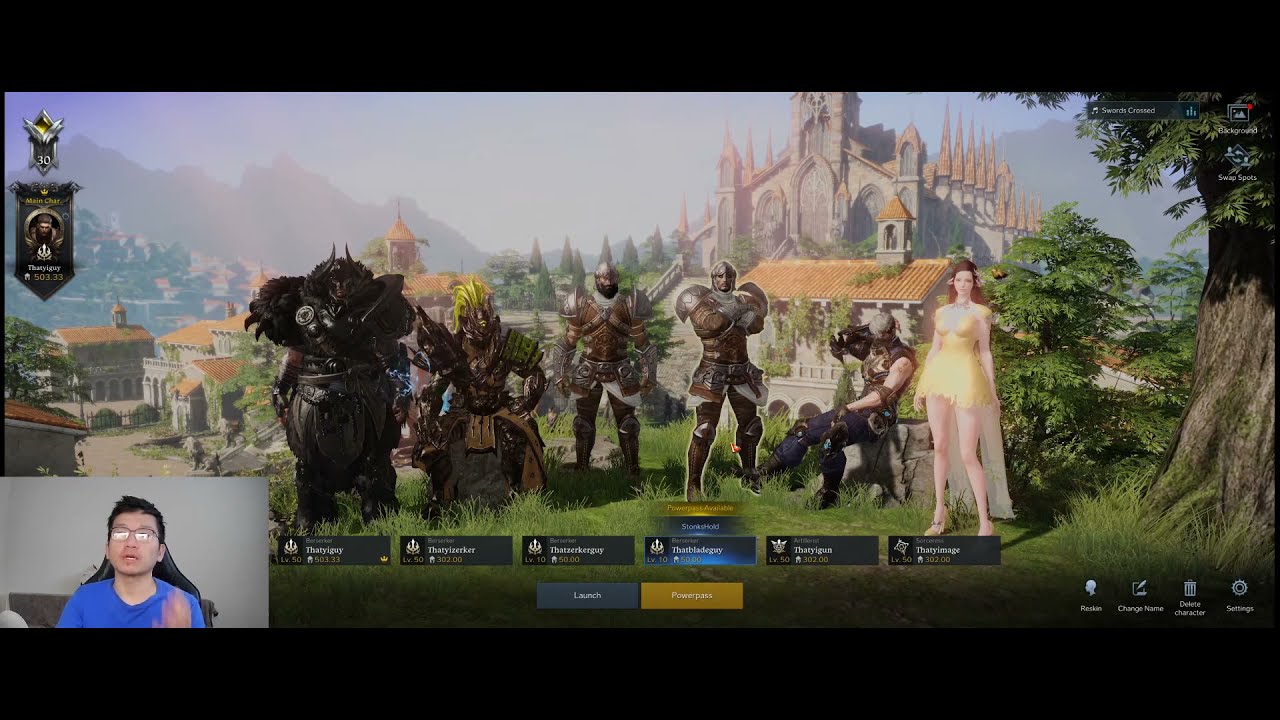
Lost Ark’s Legacy System ties every character on your account together so you don’t waste progress. I’ve played this game since 2019 and I’ll tell you what works, why it works, and where players trip up. This is practical advice from a woman who’s pushed raids, built crafting hubs, and rerolled alts more times than I care to admit.
What the Legacy System actually does
It gives roster-wide bonuses: a Roster Level, shared collectible progress, and several account-wide resources. In my experience the single biggest effect is that new alts start stronger than any fresh character used to, because the account keeps advancing even when you switch mains. Surprisingly, that changes how you plan characters.
Why you’ll care: you save time and avoid repeating early-game busywork. That’s the practical gain; the reason is simple — the game treats account progress as cumulative, not isolated. We found this speeds endgame readiness dramatically (if you use the system correctly).
Starting an alt — fast and smart
Pick a class that fills a different role from your main. Why? Because diversity lets you run content that complements your main’s weaknesses and generates different rewards. For example, a support alt opens faster matchmaking for group raids, which means more weekly clears overall.
Short checklist (do these first):
- Finish the tutorial and reach Prideholme.
- Open roster storage and pull needed gear.
- Claim account collectibles from your Adventurer’s Tome.
- Set Bifrost points for quick travel.
Use Express Event or Power Pass when available — they shave hours off progression. This doesn’t always work (depends on your server events and region), but it’s often the fastest route.
Shared resources and economy (as of March 12, 2025)
Here’s a clear table showing what tends to be shared and what stays on one character. This reflects NA/EU behavior on those dates; other regions may differ.
| Resource | Shared? | Main uses | Best farming |
|---|---|---|---|
| Blue Crystals | ✅ Roster-wide | Premium shop purchases, event items | Login rewards, store conversion |
| Pirate Coins | ✅ Roster-wide | Ship upgrades, island merchants | Adventure islands, sailing |
| Pheons (premium) | ✅ Account-wide | Auction House, premium shop | Paid bundles, special events |
| Silver | ❌ Character-bound | Skill upgrades, gem costs | Chaos Dungeons, dailies |
| Gold | ❌ Character-bound | Honing, market listings | Raids, Una’s tasks |
Note: you can move value via the Auction House or by mailing tradeable items, but fees apply and some players abuse that—controversial, yes, and it can distort economies if done carelessly.
Gear, skills, and quick combat readiness
Getting an alt combat-ready is largely about transferring the right things at the right time. Weapons and high-impact armor move your power level the most. Skill Point potions and account collectibles mean you don’t need to grind every ability tree from zero.
Main → Roster Storage → Alt
1. Farm honing mats  2. Store transferables  3. Equip on alt for instant power
Priority order I use (short): weapons, main armor stats, accessories, ability stones, then gems. Why this order? Damage and survivability scale faster than tiny percentage boosts from engravings—so focus where numbers jump most.
Watch this: moving gear too early wastes value, moving it too late slows you down. There’s a sweet spot around major item-level thresholds.
Endgame alt strategy
Think of your account like a portfolio. One high-performing main, two steady alts that reliably farm, and a support alt for group content. That structure produces steady returns rather than sporadic spikes.
Why this works: weekly bosses and Abyss content give caps and gated rewards. Multiple characters multiply those caps legitimately. If you rotate correctly, your account accumulates more high-value materials per week than focusing on one character.
Controversial take: the Legacy System favors players who can schedule many short play sessions. That’s unfair to people who only play long single sessions. I’ve argued this with guildmates—some think it’s healthy; others say it promotes shallow progression. Which side are you on?
Routines that don’t burn you out
Do fewer things well. You’ll get farther by running reliable dailies on two characters than by half-assing ten. Chaos Dungeons and Guardian Raids are the core daily loop. Legion Raids and Abyss should be focused when they yield the best roster-wide returns.
| Day | Main | Primary Alts | Secondary Alts |
|---|---|---|---|
| Mon | Full reset + weekly tasks | Chaos + Guardian | Idle/rest bonus |
| Tue–Thu | Progress + prep | Daily loop | Selective runs |
| Fri–Sun | Raids & Abyss | Weekly clears | Chaos only |
Tip: let secondaries accumulate rest bonus. It’s a simple sustainability move and—honestly—keeps the game fun.
Practical caveats and final priorities
Depends on your goals. If you’re pushing ranked content, alts are a side income. If you want multiple raid slots, alts are the engine. There are exceptions to every rule (depends on your niche and schedule).
“Consistency beats bursts. Run what you can reliably.” — me, on March 12, 2025
Analogy: treat your account like a garden. Water one big tree and several shrubs; don’t scatter seeds everywhere and expect a forest overnight. Another odd insight: sometimes intentionally leaving an alt low-level earns better returns, because matchmaking keeps it in a lucrative farming bracket (crazy, but true).
One more thing (between us): some systems are exploitable; developers patch, so adapt. I’ve noticed strategies that worked in 2021 were nerfed by 2023 and refined again in 2024. Keep an eye on patch notes dated after January 1, 2025.
Want a quick action plan? Start one alt today, move your best spare weapon, claim account collectibles, run two Chaos Dungeons, and check the Auction House before you spend. You’ll see the difference in a week. Anyway—yeah, that’s the core of it. If you want, I’ll show a tailored plan for your roster next.