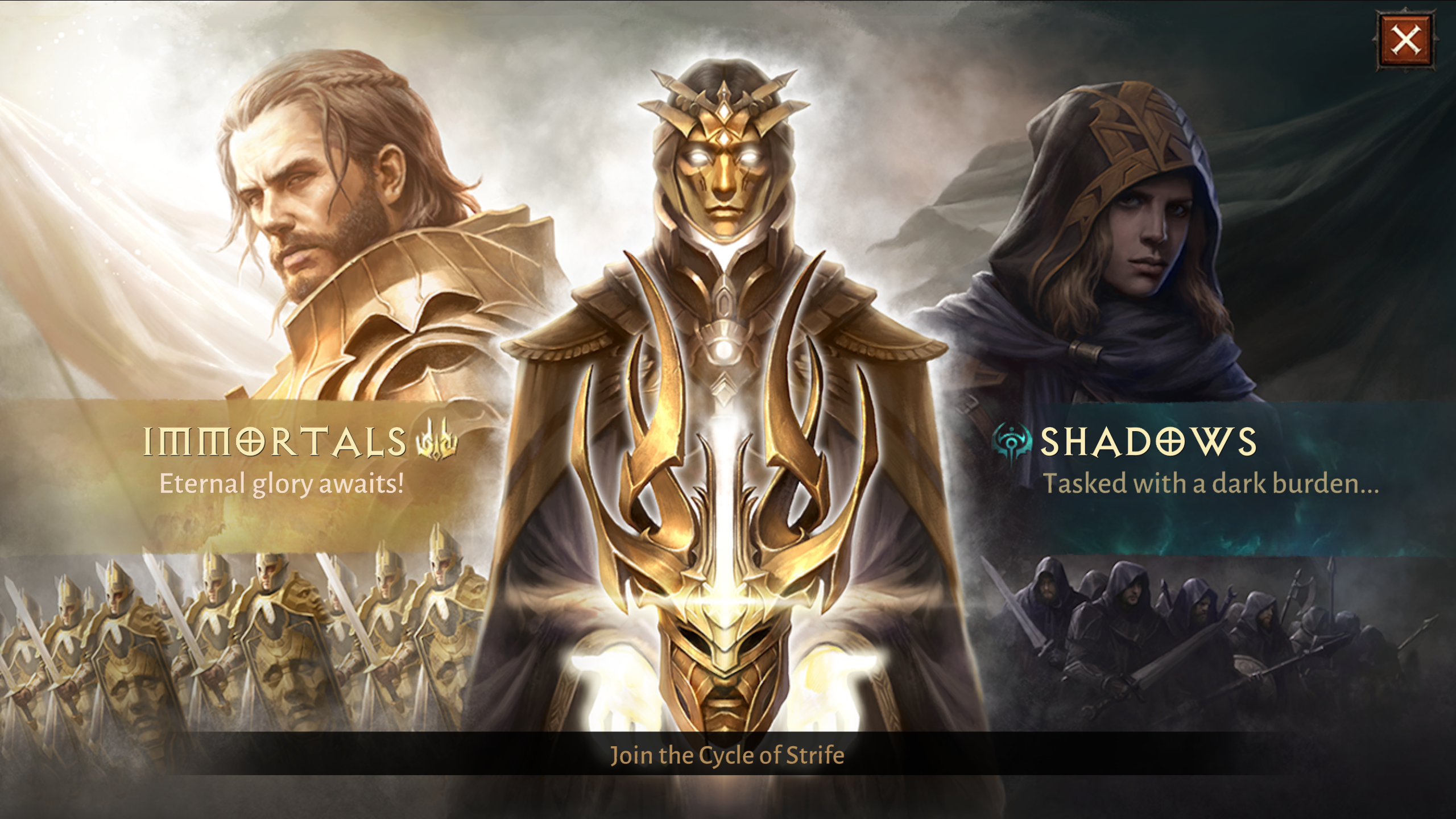
Welcome to the Shadow faction of Diablo Immortal — I’ve spent years leading clans, so you’ll get what actually matters here. The Shadows are a server-scale PvP system built around coordinated warfare, rankings, and rewards you won’t find by just grinding solo. If you like organized conflict, this is where the game changes shape.
Short version: join a Shadow clan, do the faction activities, and work toward overthrowing the Immortals. Why? Because control grants powerful clan bonuses and unique loot that materially affect endgame power (and yes, they alter how your whole server plays).
🌙 What the Shadow faction is (as of 2025)
The Shadow faction runs large PvP campaigns that can flip server control. I’ve noticed developers tweak details every patch, but core ideas stay: clans coordinate, attack Immortal holdings, and fight in scheduled events. This creates politics — alliances, betrayals, and long-term strategy.
How it works, briefly: clans build strength through daily tasks and raids, qualify for Shadow War cycles, then try to win the Rite of Exile (the climactic fight). Do you want to lead your server or just lurk? That question matters.
Key features
- Server-wide PvP and faction warfare
- Clan ranks, promotions, and shared upgrades
- Daily contracts and weekly objectives that fund clan progress
- Rewards that affect builds and cosmetics
Surprisingly, the Shadows aren’t just about raw damage; coordination wins fights. Honestly, I’ve seen 30-man teams lose because they didn’t control objectives.
📝 How to join (practical steps)
Typical entry requirements reported in 2025: near-max level, a moderate Combat Rating (many clans expect around 420+ CR), and an Akeba’s Signet or similar invitation item. You usually unlock the path via a quest tied to the faction storyline — check patch notes for exact names (these change).
Get invited by a clan leader or buy a signet from players. Then complete the initiation quest to access the Shadow interface and clan listings. That’s when choices start to matter: which clan’s schedule and culture match yours?
| Requirement | Why it matters |
|---|---|
| Character level (≈43) | Ensures basic gear and skills — you won’t survive otherwise |
| Combat Rating (≈420) | Matches you to competent groups; avoid being dead weight |
| Signet/invite | Gates access to faction systems |
(There are exceptions — some clans recruit promising lower-CR players if they want a specific role.)
⚔️ Shadow Wars and tactics
Shadow Wars cycle through phases: build, qualify, and assault. During build, clans gather resources and assign roles. Qualification weeds out weak groups. The final Rite of Exile is a 30v30 objective fight in a map with hazards and siege tools.
Tips that actually work — and why:
- Use crowd control to break enemy pushes — it stops coordinated bursts and forces retreats.
- Prioritize objectives not kills — objectives win the cycle; kills only help tempo.
- Voice comms beat text in real time — lag kills coordination.
Why these matter: objectives change the map state; once you control spawns or resource points, fights turn in your favor regardless of individual DPS. Watch this: ten coordinated supports can beat fifteen high-DPS players who act selfishly.
Advice: join a clan with a clear chain of command. You’ll move faster and make fewer mistakes.
🎯 Daily and weekly rhythms
Daily contracts refresh and fund clan projects. The lottery (yes, controversial — more on that in a sec) offers rare drops at the cost of faction currency. Weekly events scale rewards by contribution and require group coordination for maximum payout.
- Morning: contract refresh (3 typical slots)
- Prime time: raids and assemblies
- Late night: solo grind and material farming
Depends on your niche: casual players will find the daily grind repetitive; committed clans treat it like routine maintenance. I’ve noticed quieter players often earn promotions by being reliable — counterintuitive but true.
🏆 Rewards and why they matter
Shadow currency buys gems, materials, and cosmetics that shape competitive builds. For instance, legendary gems available through faction shops can change how your character performs in endgame fights (so invest wisely). Cosmetics signal status within the faction and can influence recruitment.
Clan upgrades matter most. Fortifications, shared resource pools, and coordinated attack bonuses compound over weeks — that’s how clans go from underdogs to rulers. If you want server impact, focus on clan-level progress, not solo greed.
| Tier | Typical benefits |
|---|---|
| Aspirant | Entry rewards and basic contracts |
| Executioner | Vault access, better rewards |
| Champion | Leadership perks and rare gems |
| Dark Lord | Top clan benefits and influence |
👑 Clan structure and leadership
Aspirants do the daily work. Executioners handle main operations. Champions coordinate tactics. Dark Lords lead. I’ve run squads where support mains rose fastest because they made leaders’ lives easier — again, counterintuitive but real.
Leadership responsibilities include recruiting, scheduling, and tactical planning. Real politics enter here: if a leader hoards resources or gates players unfairly, morale dies quickly. That’s controversial, I know — but transparency prevents toxic clans.
Quick quote
“Teamwork beats raw power when objectives matter.” — me, many times.
Between us: the lottery system sometimes favors players who hoard currency or spend — that can feel pay-to-win to some. There are exceptions, though; skill and coordination still beat wallets in organized fights.
Final, practical checklist
- Find a clan whose schedule fits you (ask before joining).
- Work roles: be reliable, learn support tactics, and master terrain use.
- Save some currency for clan upgrades — they scale better than single purchases.
- Expect patches in 2025; check official notes before big purchases.
One odd thought: being quietly dependable will often get you promoted faster than flashy plays. Why? Leaders value predictability when battles matter. So play smart, not just loud.
Want my help reviewing a clan’s rules or planning a raid setup? I’ll take a look — just tell me your role and typical playtimes.
// Example macro for raid roles (informal)
Tank: hold point A
Support: keep heals on Tank and interrupts
Damage: push objective B when called