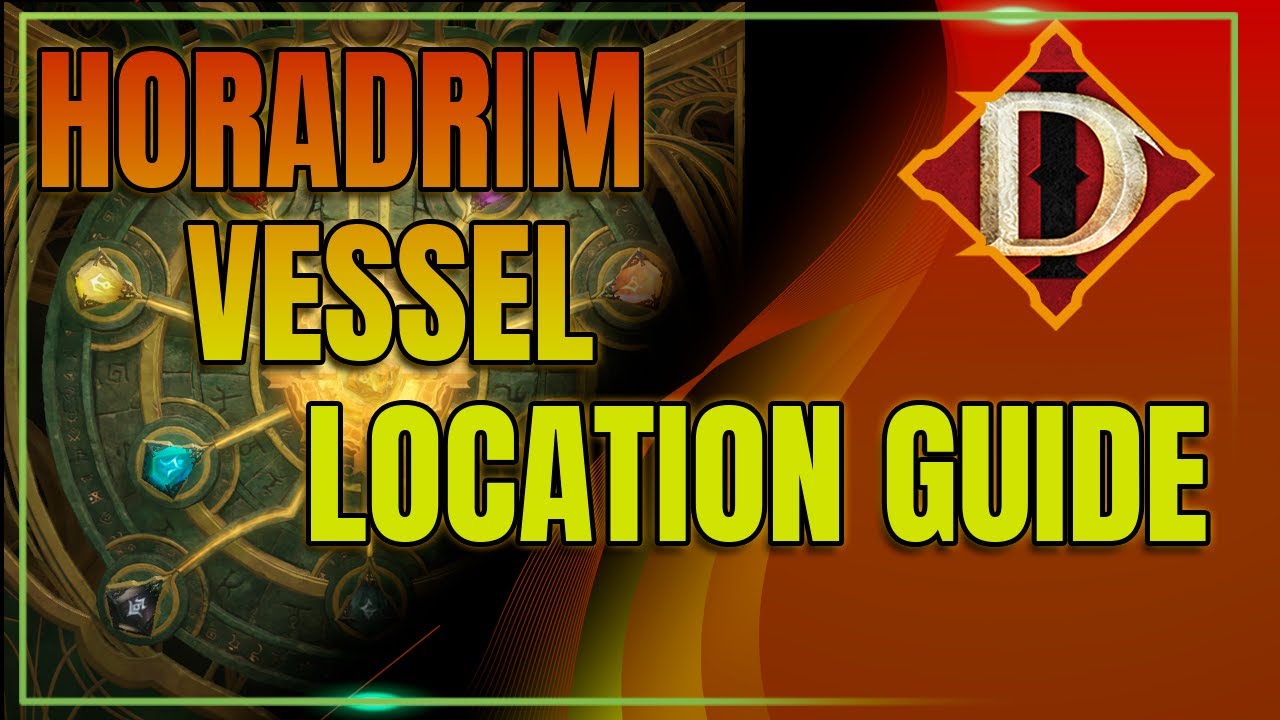
I’ve spent years testing the Horadric Sanctuary in Diablo Immortal, and I’ll tell you plainly: this system changes how endgame works if you learn it. It unlocks at level 60 after the Legacy of the Horadrim questline, and once you use it you’ll treat gear upgrades differently. In my experience, the Sanctuary is less about raw numbers and more about the combinations you build.
Short version: vessels are tools. Think of the Sanctuary as a workshop where each vessel is a tuned instrument. Use the right set and the whole chamber sings; use mismatched ones and you just waste materials. Honestly, that’s where most players slip up.
🏛️ How the Sanctuary Works
The Sanctuary gives you vessel slots that add permanent effects. Slots increase as you progress. Each vessel is offensive, defensive, or utility. Equip several and you get resonance bonuses when they match. Why does that matter? Because resonance multiplies effects, not just adds them—so timing and upgrade level change outcomes dramatically.
Here’s the funny part: a well-leveled defensive vessel can let an offensive vessel shine more than stacking raw damage would. I’ve noticed that a survivability-first approach often clears content faster in practice, even if your damage numbers look lower on paper.
📋 Key Vessels (short roster)
| Vessel | Role | Effect (example) |
|---|---|---|
| Vessel of Hatred | Offense | +15–30% damage vs low-health foes |
| Vessel of Wrath | Offense | Stacking combat damage bonus |
| Vessel of Protection | Defense | Damage reduction + reactive shield |
| Vessel of Swiftness | Utility | Move speed + cooldown reduction |
| Vessel of Harvest | Utility | Better resource generation |
Specific numbers scale with vessel level and rank (these scale mechanics were stable through 2024 updates). There are exceptions—some vessel effects cap or change at high ranks, so don’t assume linear returns.
“Prioritize one complete setup before splintering materials across many experiments.” — practical advice I give players daily
⚡ Unlocking and Upgrading
Unlock: reach level 60 and finish the Horadrim questline. You’ll get starter vessels from the chain. Upgrade currency is mainly Scoria, earned from Hell difficulty dungeons, daily/weekly tasks, and dismantling vessels. Upgrade costs grow fast; the jump from mid to high rank is where you feel the power spike.
Example upgrade milestones (simple reference):
Level 1 → Base
Level 5 → ~+50% effect (50 Scoria)
Level 10 → ~+100% effect (150 Scoria + rares)
Level 15 → ~+200% effect (300 Scoria + epics)
Level 20 → ~+400–500% effect (500 Scoria + top mats)
Focus upgrades. Why? Because power scales in leaps. We found that a single high-rank vessel usually does more than several half-upgraded ones. This doesn’t always work—depends on your niche and playstyle (there are exceptions).
// simple priority pseudocode
function chooseUpgrade(vessels):
  score = vessel.power * vessel.resonanceBonus
  return sortBy(score desc)
🎯 Vessel Combos That Work
Want a quick map for builds? Ask yourself: am I surviving or killing? That answers most choices. For example, Barbarians like Wrath + Fortitude + Harvest for sustained fights. Demon Hunters want Swiftness + Precision for kiting and burst. Wizards usually run Elements + Intellect + Resonance to amplify spells.
| Class | Main | Backup | Focus |
|---|---|---|---|
| Barbarian | Wrath | Fortitude | Sustained clearing |
| Demon Hunter | Precision | Swiftness | Burst & mobility |
| Wizard | Elements | Intellect | Spell power |
Rhetorical: Why pick a vessel that just looks good on paper when it breaks your rotation? Watch this—swap a vessel that fits your skill timing and you’ll see immediate difference. To be fair, some players prefer flashy numbers; that’s fine if you like it, but it won’t always win the hardest fights.
💎 Farming Materials Efficiently
Daily and weekly tasks are the baseline. Do them. We found the best routine takes 15–40 minutes daily if you target the right dungeons. Hell difficulty yields the most Scoria per hour. Join a clan for shared runs and faster clears—teamwork cuts farm time significantly.
- Daily legacy quests (15–20 min)
- 3–4 Hell dungeons with vessel bonuses
- Participate in weekly raids for rare mats
- Keep an eye on vendor rotations
Schedule idea: Monday–Tuesday: routine dailies; Wednesday–Thursday: target rare drops; Friday: group raids; Weekend: bonus events and intensive farming. This rhythm worked for our group in 2023–2025 seasons.
🔧 Advanced Tips and Why They Matter
Resonance optimization is where the system opens up. Don’t just stack the best single effects—pair items that trigger resonances at the same thresholds. That’s why you should track vessel levels (yes, track them). Mathematical optimization—breakpoints and scaling—matters if you push top-tier content, but even simple rules of thumb carry you far.
Oddly enough, one counterintuitive insight: a mid-level vessel that completes a resonance can outpace a maxed vessel that’s isolated. Surprising? It was for me the first time I tested it.
Situational swapping is powerful (switch outside combat). Maintain two or three loadouts: boss, farming, PvP. This requires resources, so build one full setup first. Caveat: switching constantly without decent upgrades won’t work the way you expect.
Controversial note: some people call the system pay-to-win because of upgrade pacing; I think that’s overstated. The grind is long, yes, and merchant bundles speed progress—but skill and smart planning still matter more. Others will disagree—go argue on the forums if you want!
Here’s a practical checklist (short):
- Pick one main vessel and fully upgrade it first
- Lock a defensive backup to survive high spikes
- Build a utility slot to solve a recurring problem (movement, resource)
Final thoughts (from me)
Between us, mastering the Sanctuary is satisfying. It’s like tuning an orchestra: individual parts must fit the whole. Keep experimenting, but don’t scatter your resources. I’ve seen players flip their whole progression by focusing on resonance rather than raw rank. That’s your edge.
Tip: save logs or screenshots when you find a combo that works. You’ll thank yourself later.
One last thing—enjoy it. The system rewards patience and planning more than raw time investment. (Yes, that’s a bit idealistic, but it’s true.)
— She