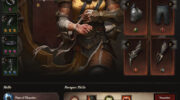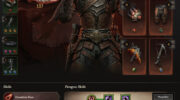
The Demon Hunter is a flexible, high-impact class for dungeons and group content in Diablo Immortal. I play this class a lot, and I’ll tell you what works for group runs (and what won’t). Update: info here reflects the state of the game as of April 10, 2025.
Quick take: stay at range, manage Essence, and time your burst windows with the team. Sounds simple, right? It’s not—positioning and rhythm win fights more than raw numbers.
🎯 Core skills you should pick
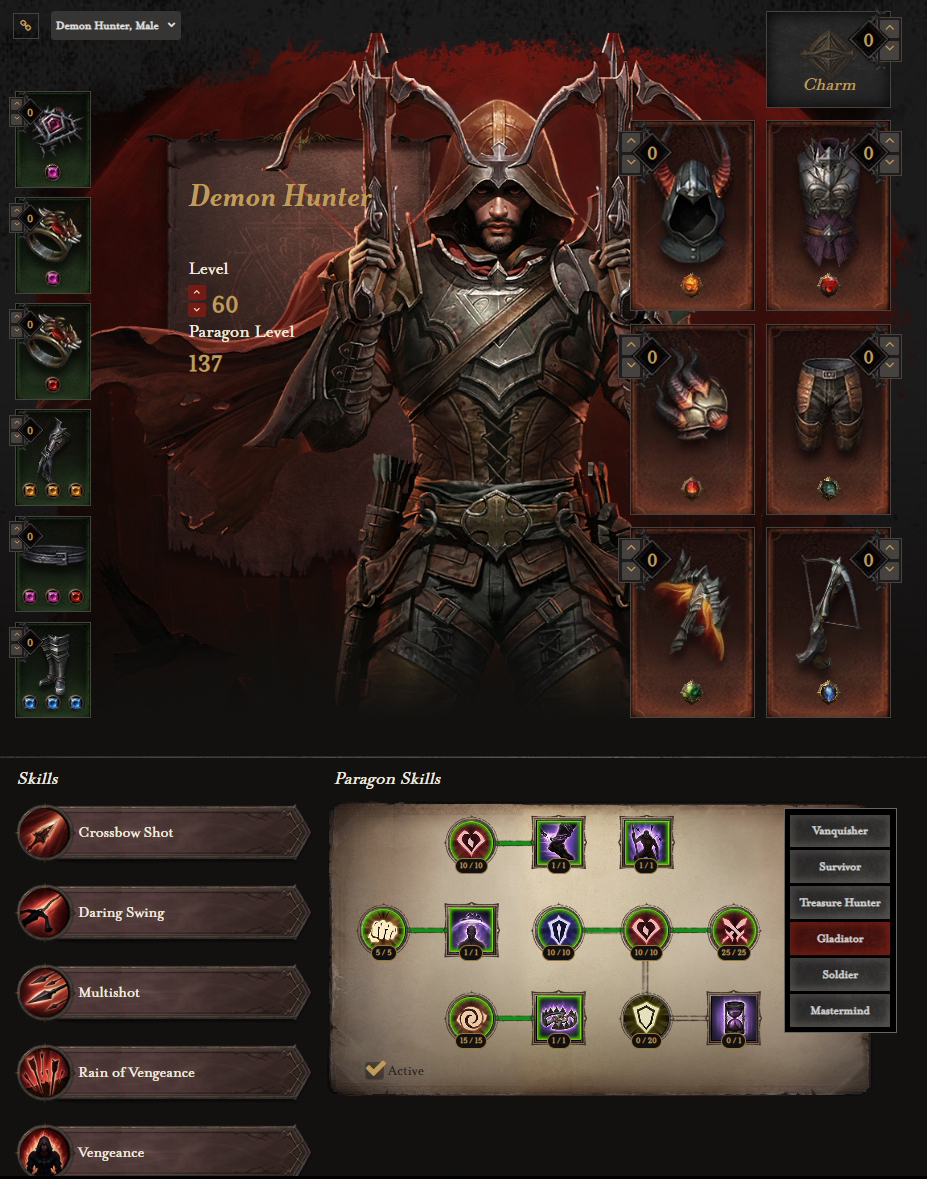
Multishot is your primary clear tool. Use it for room clearing and steady damage. Crossbow Shot is your low-cost filler; use it to recover Essence. Vengeance is your timed burst—save it for boss vulnerability phases. Daring Swing gives mobility, and Knife Trap gives control and zoning.
In my experience, one movement skill is non-negotiable (by the way, this doesn’t always work if your group lacks heals). Keep slots flexible: sometimes mobility beats a fourth damage skill.
⚔️ Gems I favor for group DPS
Controversial take: Berserker’s Eye gets spammed in pubs but it’s a blunt instrument—great for raw damage, risky if your team can’t peel for you. Lightning Core and Everlasting Torment scale best in clustered dungeon fights. Chip of Stoned Flesh is underrated for less-geared players who need survivability.
| Priority | Gem | When to use |
|---|---|---|
| 1 | Berserker’s Eye | Pure DPS groups (positioning + healer present) |
| 2 | Lightning Core | Dense mob rooms |
| 3 | Everlasting Torment | Consistent crit-heavy builds |
| Alt | Chip of Stoned Flesh | Survivability for undergeared runs |
🛡️ Gear priorities and sets
Windloft-style mobility sets are excellent because you gain damage by moving—this matches the Hunter playstyle. Another viable route is pet or sustained-damage sets for long boss fights; they shine when encounters last. Honestly, people over-fixate on one “best” set—there are exceptions depending on group comp.
Prioritize these stats (not in a rigid order): Damage, Critical Hit Chance, Critical Hit Damage, Life, Armor, and All Resistance. If you’re pushing Hell II–III, invest in Armor Penetration and All Resistance sooner rather than later.
🔥 Rotation and practical rhythm
Here’s a basic, testable rotation (simple and easy to communicate in a party): place Knife Trap, save Vengeance, open Vengeance on vulnerability, spam Multishot, use Crossbow Shot to top off Essence, reposition with Daring Swing as needed. Why? Because synchronized bursts multiply damage more than isolated spikes.
// Pseudo-rotation
Place Knife Trap
Wait for boss vuln
Activate Vengeance
Spam Multishot (6s)
Crossbow Shot to recover Essence
Use Daring Swing if needed
Repeat when ready
Save Vengeance for predictable windows. Watch this: if your group doesn’t call buffs, your burst becomes wasted. Communicate!
👥 Team play tips
Your traps let melee breathe; your mobility gets you to priorities quickly. Use your range to remove enemy casters before they wreck your squishier allies. Call out Vengeance and when you’re swinging in—otherwise your mobility can leave the team hanging.
“Call Vengeance, then follow up—timing beats raw stats.” — practical advice from many successful runs
Priority targets? Start with ranged enemies and dangerous elites. Then handle fast targets that slip past the tank. That order keeps the run smooth (and fewer wipes).
📊 Paragon and stat allocation (practical)
For dungeon focus, stack Damage early. After ~200 points in a damage node, returns slow—shift into Crit Chance and survivability. Rough distribution I use: early game heavy on Damage, midgame add Crit, late shifts toward Armor Penetration and Life. Depends on your niche and party makeup.
| Paragon Range | Main Focus |
|---|---|
| 1–50 | Damage / Life balance |
| 51–120 | Crit Chance / Armor Pen |
| 120+ | Situational optimization |
Warning: don’t dump more than about 25% into a single stat early. Dead DPS is zero DPS—trust me, I’ve wiped runs doing that.
Small checklist and extras
- Keep one movement skill.
- Save Vengeance for boss windows.
- Place Knife Trap where it controls space.
- Use Crossbow Shot to sustain Essence.
Here’s an odd, counterintuitive insight: a slightly lower crit build with steadier damage often outperforms high-crit spikes in loosely coordinated groups. Why? Because uptime and fewer resource dips matter more than occasional huge hits.
Between us, some dungeon leaders insist on exact gear that won’t work the way you expect—call them out politely or try a test run. Also, some folks swear Berserker’s Eye is mandatory; I disagree if your team can’t protect you—controversial, I know!
Final notes: practice beats theory. Analyze your runs, tweak one thing at a time, and ask teammates for feedback. There are exceptions to every rule, and builds evolve as you climb difficulties. Um, okay—go out there and shoot things (but don’t forget to call your burst)!