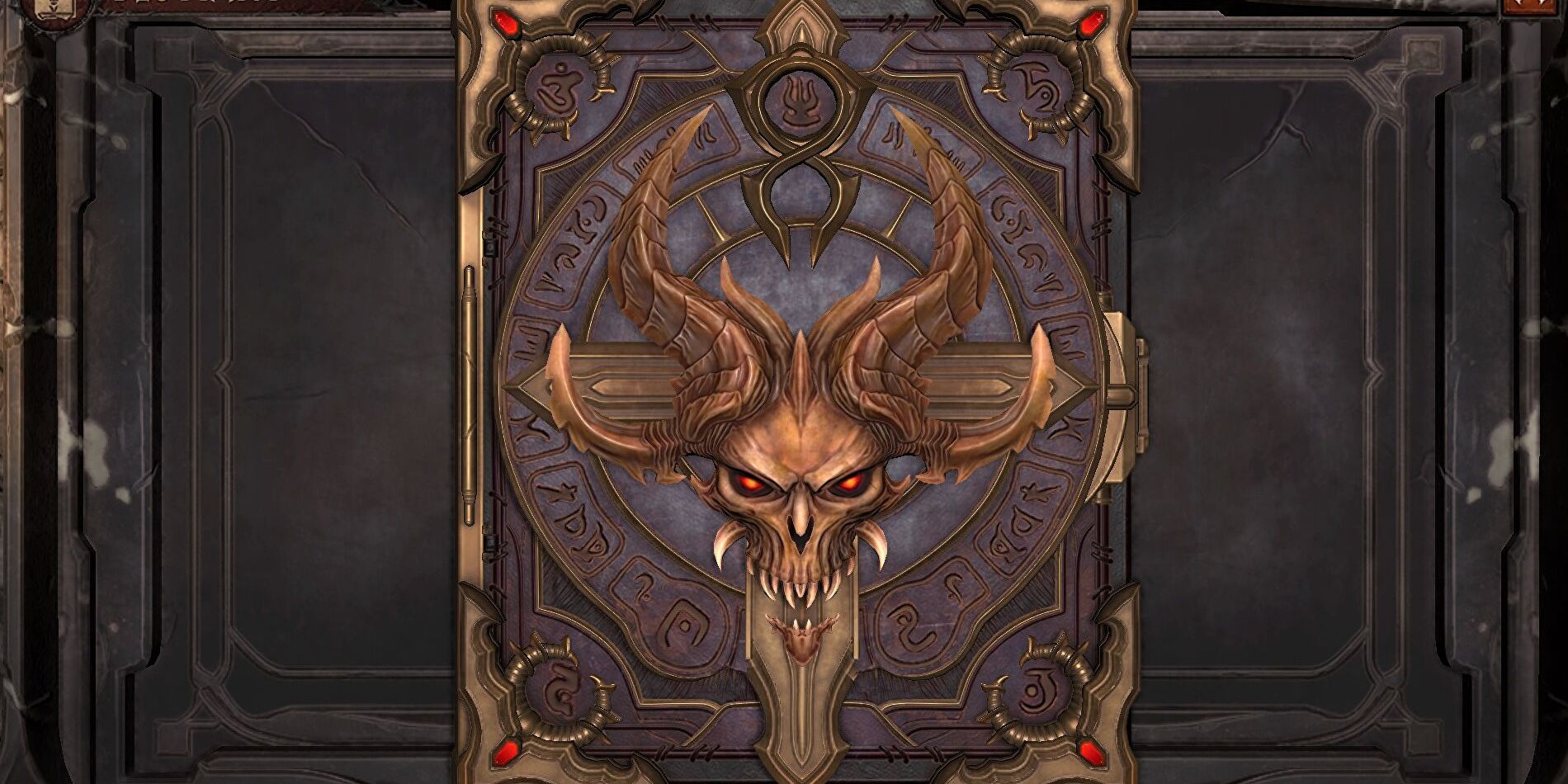
I keep a Bestiary in Diablo Immortal on purpose: it’s a practical record of the monsters I’ve fought and the things I’ve learned about them. I’ve noticed players who use it more deliberately survive harder encounters and finish content faster. Honestly, it’s not just decoration — it’s a tactical tool.
🔓 How to unlock the Bestiary
The Bestiary appears after you pass the early main quests, usually when your character reaches about level 10–15. Check your Codex menu once you finish the early Wortham questline (many players unlock it there). In my experience the system retroactively fills entries for monsters you already defeated, so you won’t lose what you did before unlocking it (that saved me time!).
🎯 How entries work — what to do and why
Seeing a monster will add a basic entry. Kill more of the same type to reveal deeper layers: lore, resistances, and rewards. Why bother? Because knowing a creature’s weaknesses changes what gear and skills you bring, and that directly makes difficult encounters easier.
There are exceptions: some rare spawns only count when they appear as elites or during events. This doesn’t always work the same across every zone (depends on your niche and the event mechanics), so don’t expect a single trick to cover everything.
📍 Finding and defeating monsters
Explore every zone and re-run places at different difficulties. I’ve found champions and elite variants often register as separate entries — so you’ll need to chase those too. Want a method?
- Clear each zone thoroughly over several sessions.
- Return at higher difficulties; elites show up more then.
- Hit world events and special activities for rare spawns.
- Run dungeons and their variations; don’t skip the optional paths.
Revisit areas on a schedule (I use a simple rotation) and combine Bestiary work with bounties or material farming. That’s efficient and cuts down grind time.
“If you’re only chasing trophies, you’ll miss useful combat info — focus on entries that change how you play.”
📊 What the Bestiary shows — and how to use it
The Bestiary lists things like health, resistances, and attack patterns. Use that to pick skills and target vulnerabilities. Here’s a compact table I use when planning fights:
| Category | Shown | Why it matters |
|---|---|---|
| Basic stats | HP, damage, armor | Choose gear and potions |
| Resistances | Physical, elemental | Pick damage types |
| Weaknesses | Vulnerable damage types | Optimize skills |
| Behavior | Telegraphs, movement | Timing and positioning |
| Spawn info | Location, conditions | Hunt efficiently |
⚠️ As of November 25, 2025, Bestiary values reflect base stats and may scale with difficulty and Paragon levels. Don’t assume the numbers are fixed in every mode.
💎 Rewards — what you actually get
Completing entries gives XP and small bonuses; finishing zones or categories nets bigger rewards like portraits, frames, or damage bonuses vs. families of monsters. Some rewards are purely cosmetic; others change performance. I’ve noticed rare monster entries often yield the best perks.
Two controversial notes: some cosmetic items are tied to real-money offers (yes, purchases exist), and a few players argue that rewards favor long-term spenders. I’m not here to judge — but it’s a factor for anyone chasing completion!
- Experience scaling by entry
- Cosmetics: frames, portraits, titles
- Combat bonuses vs. monster families
- Lore entries that explain creature origins
⚔️ Advanced tips from my experience
Watch this: combine Bestiary goals with other tasks. For example, target missing entries during bounty runs. That saves time and gives steady progression. Sounds obvious, but many players don’t do it.
Use the Bestiary to inform gear swaps and team roles. If several monsters in a zone share a weakness, bring a teammate who covers that damage type. Predictive play — knowing when an enemy will telegraph an attack — is worth more than raw DPS in many fights. Oddly enough, focusing only on rare monsters can actually slow your overall completion because common entries unlock faster and give steady XP.
- Cross-reference weaknesses with equipment.
- Plan farming routes to hit many new entries in one run.
- Time rare-hunt with events for higher spawn rates.
- Share rare spawn tips with your clan (community pays off).
Code note (quick checklist you can paste into a note app):
// Bestiary run checklist
1. Zone: Ashwold Cemetery — clear for 15 types
2. Re-run on hard mode
3. Event: check calendar for spawn bonuses (if active)
4. Record new elite spawns
Counterintuitive insight
Spending an hour learning two monster families beats grinding five hours without a plan. Strange, but true — knowledge reduces retries and repair costs. Between us, I learned that the hard way.
Final practical caveat: this approach helps most players, but there are exceptions depending on your playstyle and goals. It won’t fix bad latency or matchmaking problems, and it won’t replace practice. Still, if you use the Bestiary actively, you’ll notice better runs and fewer surprises.
One last, slightly messy confession — I sometimes keep duplicate notes (out of habit), and yes, that’s redundant but it helps me remember. Use what works for you, and don’t be afraid to adapt the checklist. Ready to hunt?