Updated March 03, 2025 — I’ve played Cleric roles for years and I’m sharing what actually works for leveling a Cleric in Rift Online. Read fast if you want practical tips: this will save time and frustration.
Want to heal, deal damage, or stand in the front? You can do any of those, but the path you pick changes how you level. I’ve noticed players who rush gear or chase every shiny tip hit walls fast. This guide tells you what to pick, why it matters, and when to change course (there are exceptions).
Getting started: pick a soul that fits your goals
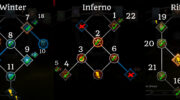
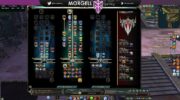
Begin with a build that feels forgiving. In my experience, Druid paired with Shaman handles solo play smoothly because the faerie heals and Shaman gives melee options. If you prefer ranged damage, try Inquisitor with Cabalist. Tanking? Justicar with Shaman works well.
Here are practical starter combos (no fluff):
- Druid / Shaman — easy soloing, pet heals
- Inquisitor / Cabalist — ranged DPS, glassier
- Justicar / Shaman — tank-oriented, slower clears
Tip: aim for 31 points in your main soul to unlock tier 7 abilities; buy extra roles at level 15. Why? Tier 7 moves change how you play, and role flexibility lets you adapt to dungeons or solo content without remaking your character.
Stats & gear priority — what to chase
Wisdom is your main stat. It boosts spell power and mana, so target gear with Wisdom first. For DPS builds, prioritize Spell Power then Crit. Focus is useful in dungeons to reduce resistances. Don’t waste platinum on minor upgrades early — save for mounts at level 25 and 50 (unless you’re missing basic slot gear).
| Levels | Main | Secondary | Where to get |
|---|---|---|---|
| 1–20 | Wisdom, Spell Power | Intelligence | Quest blues/greens |
| 21–35 | Wisdom, Spell Power, Crit | Focus | Zone rewards |
| 36–50 | Wisdom, Spell Power, Crit | Hit/Focus | Dungeon blues |
“Don’t chase perfect gear while leveling. Practical upgrades beat perfect stats every time.” — advice I still use.
Where to level (1–50)
Start in your faction’s intro zone, clear story quests and the gold-marked chains. Why? They give better XP and usually usable gear. After about level 20 move on to the mid zones and join zone events for fast XP and currencies.
Recommended path:
- Starter zone (1–20)
- Stonefield / Gloamwood (20–27)
- Scarlet Gorge (27–35)
- Scarwood Reach → Moonshade Highlands → Droughtlands (35–50)
Pro tip: grab every porticulum you see. It’s a tiny time investment with huge returns.
Solo vs group play
Solo? Build for sustain and steady damage. Group? Be ready to switch to healing—Clerics are valuable. I’ve noticed groups often assume healers will spam heals; communicate if you need breaks or mana support. Quick question: want faster XP or safer runs? Your answer should decide gear and soul tweaks.
- Solo: Druid/Shaman — safer pulls, less downtime
- Group: swap to healing souls or hybrid roles
Controversial: I think Purifier healing is overrated in many pug groups — it looks flashy but often leaves tanks hungry (yes, I’ll get pushback on that!). Also, buy Patron only if you play regularly; casual players won’t always recoup the cost.
Ability priorities and rotations
Keep DoTs active and weave instant casts. That’s the core. Why? DoTs keep steady DPS while instant spells let you move and react. This reduces downtime between pulls and keeps you alive.
# Example early rotation (Druid-based)
1. Trickster's Bolt (instant DoT)
2. Vex (DoT)
3. Sanction Heretic (channel)
4. Refresh DoTs
Advanced (36–50): open with pet/healer, apply high-value DoTs, use burst cooldowns in sequence, then maintain DoTs and spam finishers below 30%. Keep a small heal on your bar — instant heals save wipes.
Speed leveling tactics
Rested XP matters: log out in cities or at porticulum to bank it. Queue for dungeons while questing. Group similar quests and don’t run back-and-forth. Efficiency beats raw speed.
| Booster | Bonus | Source |
|---|---|---|
| Rested XP | +100% | Log out in cities/porticulum |
| Experience Vial | +50% (2 hours) | Store / events |
| Guild Perk | +10% | Active guild |
One counterintuitive insight: skipping the absolute fastest XP route briefly to finish a full quest hub often saves time overall because you avoid repeated travel and dead runs. Oddly enough, patience speeds you up.
Endgame prep
As you near 50, research endgame builds and gear stat thresholds. This matters because raid and PvP roles demand tighter stat choices. Start collecting relevant planar attunement and farming dungeon blues a few levels early. To be fair, you don’t need perfect BIS on day one — incremental upgrades work.
Quick checklist (short):
- Get porticulum mastery
- Save for mount training at level 25 & 50
- Practice your dungeon heal rotation
Here’s the funny part: most players panic about a single stat, then ignore the rest. Don’t be that player. Repeat after me — balance > obsession. Honestly, focus on learning your toolkit; numbers follow.
Practical rule: prioritize survivability over marginal DPS gains when you start dungeons. If you die, DPS doesn’t matter.
Final note (between us): this guide reflects play patterns I’ve used and seen work. There are exceptions and niche builds; depends on your niche and the server meta. Want a quick tweak for a specific soul combo? Ask and I’ll give step-by-step numbers. Sorry, I tend to ramble—okay one more tip: practice one rotation until it’s muscle memory. Then tweak.
— A Cleric main, still learning and still tweaking. 🌟