I learned Runecrafting the hard way, and I’ll tell you what actually works. If you’ve just arrived in Telara or you’re switching professions, this guide explains how to level from 1 to 300, make steady gold, and avoid the rookie mistakes that waste materials and time.
🔮 Why pick Runecrafting?
It makes useful stat bonuses for gear and sells well on the Auction House when you choose the right items. In my experience, the trick isn’t crafting the cheapest things — it’s crafting what players actually buy. Sounds obvious, but many crafters ignore demand and get stuck with inventory that won’t move. Who wants that?
Getting started
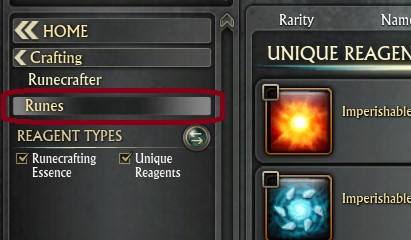
Visit a Runecrafting trainer in Meridian (Defiants) or Sanctum (Guardians) and pay the small fee to learn the profession. You’ll get a few basic recipes and a crafting window (K key by default). I’ve noticed beginners rush straight into mass-crafting; don’t. Learn which basic runes give reliable skill-ups first.
Tip: pair Runecrafting with Mining or Butchering. Why? Because you’ll save on raw mats — that’s real platinum left in your pocket (depends on your niche and server economy).
Tier materials (quick table)
| Tier | Skill | Primary | Blank Rune |
|---|---|---|---|
| Novice | 1–75 | Tin Ore + Burlap | Lesser Blank Rune |
| Skilled | 76–150 | Iron Ore + Cotton | Common Blank Rune |
| Expert | 151–225 | Steel Ore + Silk | Greater Blank Rune |
| Master | 226–300 | Cobalt + Spellspun | Master Blank Rune |
Buy vendor catalysts near trainers in bulk to avoid town trips. Stockpiling during market dips saves a lot (honestly, that one move paid for my crafting bench years ago).
Fast leveling route
Start with easy runes that give guaranteed skill-ups. Then switch at the point where your chosen recipe turns yellow or green — it wastes fewer materials. Example sequence (compact):
1–30: Minor Rune of Vigor
31–75: Minor Rune of Strength
76–115: Standard Rune of Intelligence
116–150: Standard Rune of Dexterity
151–190: Greater Rune of Wisdom
191–225: Greater Rune of Endurance
226–265: Master Rune of Power
266–300: Master Rune of Precision
Why this order? Because these recipes remain orange longer and give steady experience per craft, so you spend fewer ores and reagents. There are exceptions (depends on your server demand), but that’s the baseline.
Making profit
Want gold? Target end-game stat runes players need for raiding and PvP. Craft fewer, higher-value runes instead of dozens of low-cost ones. Auction timing matters — evenings and weekends get better prices on most servers. Is that always true? No, there are exceptions, but it’s a reliable starting rule.
“Think of the Auction House like a farmers’ market: peak hours and the right stall matter more than sheer volume.”
Controversial? Yes — some players will tell you mass-producing cheap runes is the safest path. I disagree; that often leaves you with unsellable stock. Another hot take: guild crafting bonuses sometimes hurt small sellers by concentrating supply. Not everyone will like hearing that!
Advanced recipes and tips
At 300 you unlock recipes that need dungeon drops, reputation items, or world-event tokens. These runes sell for a premium because they combine stats in ways standard recipes don’t. Experiment with catalysts — I’ve seen (and we found) higher-quality catalysts give a chance to boost stats on a craft. It’s not huge, but it’s real and can be the difference between a sale and a sit.
Watch this: sometimes a slightly rarer rune sells faster than a cheaper one because buyers want a specific stat mix. Counterintuitive? Absolutely, but true.
Planar Attunement and perks
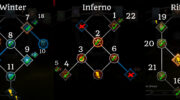
Invest PA points into material-saving and craft-speed nodes first. Examples that I prioritize: a mat-preserve node, a faster-craft node, and one that occasionally gives a double craft. Why? Because they directly cut costs and shorten grind time. Guild perks that reduce material cost are nice too (if your guild offers them — join one if you can).
Sources for rare materials
- Reputation vendors (rep rewards)
- Dungeon and raid loot (boss drops)
- Seasonal world events
- Player trades — build relations with gatherers
Some of those drops sit at 5–10% from final bosses (varies). Plan runs specifically for the mats you need. If you ignore this, you’ll grind forever. Honestly.
Market timing and examples
Post high-demand runes on evenings and weekends. Monitor class balance notes after patches. For example, if Attack Power gets buffed, Attack Power runes spike. Check patch notes before mass-crafting (I check mine every Tuesday). Why? Patch-driven demand spikes are where fast crafters make the most gold.
Extra practical bits
- Keep a small emergency stock of popular runes.
- Price-check before crafting a large batch.
- Use simple auction titles: “Master Rune of Crit +45 — Crafted — Instant” (buyers scan fast).
// Example auction post text
"Master Rune of Crit +45 — 1x — Crafted — PST"
By the way, join a crafting Discord or forum. Between us, trade channels are where you learn market quirks fast.
One counterintuitive tip
Sometimes spending a bit more on vendor catalysts yields a faster sell — buyers notice small stat differences. It costs more up front, but you recover the margin quickly. Surprising? Yep.
Final small caveat: this doesn’t always work. Server economies vary and there are exceptions. Keep testing, track sales for a week, then commit to a strategy.
Happy crafting! May your runes sell, your materials stack, and — oh — don’t forget to log the little wins. I still celebrate a profitable weekend sale. It never gets old.
— an experienced Runecrafter
🔧 Quick checklist: visit trainer, pair with a gatherer, follow an orange-recipe path, post at peak hours, and re-evaluate every two weeks.