I’ve played Bard runs since the Baldur’s Gate 3 full release on August 3, 2023, and I’ll be blunt: picking a College changes how you’ll feel at the table. I’ve noticed players treat Bards like utility swiss-arms or wannabe fighters, but the subclass you pick actually decides which problems you’ll solve best. Between us, some choices that look safe won’t work the way you expect.
- College of Lore — the skill-and-spell specialist 🎭
- College of Swords — melee with flourish ⚔️
- College of Valor — the frontline supporter 🛡️
- How each College uses Bardic Inspiration
- Feats and multiclass tips (practical)
- Short, sharp ranking (my take)
- Tactical examples (why I recommend what I do)
- Final practical notes
College of Lore — the skill-and-spell specialist 🎭
Lore Bards get three extra skill proficiencies at level 3 and Magical Secrets at level 6. Why that matters: you can grab spells that cover holes in your party and handle nearly any non-combat scene. In my experience that early Magical Secrets changes campaign pacing—you fix gaps before they become emergencies. Honestly, it’s the closest thing to a problem-solver class.
Cutting Words turns Bardic Inspiration into a reactive control tool. You roll your inspiration die to subtract from an enemy’s attack, save, or check. That can stop a boss crit or let an ally pass a crucial check. It’s simple, high impact, and it forces you to think when to spend resources (this doesn’t always work—timing matters).
- Why pick Lore? You want answers and flexibility.
- Caveat: if you crave non-stop melee thrills, Lore can feel passive.
College of Swords — melee with flourish ⚔️
Swords Bards wear medium armor, use shields, and their Blade Flourish turns attacks into tactical tools. Extra Attack at level 6 gives them real action economy. I’ve found that Swords can outmaneuver fighters in certain fights because they mix spells and movement more fluidly (controversial? sure).
| Flourish | Effect (simple) | When to use |
|---|---|---|
| Defensive Flourish | Extra damage + AC boost | When you’re taking hits |
| Slashing Flourish | Damage to target & nearby | When enemies cluster |
| Mobile Flourish | Damage + push + free move | Repositioning or escape |
Here’s the funny part: Swords players brag about damage, but the real win is control and mobility. Use Mirror Image or Haste beforehand and the class becomes unexpectedly durable. There are exceptions—if your group lacks a healer, Swords can feel thin. Watch this: pairing Swords with a support that grants temp HP turns skirmishes into wins.
College of Valor — the frontline supporter 🛡️
Valor sits between Lore and Swords. You gain medium armor, shields, martial weapons, and Combat Inspiration at level 3. That feature lets allies add your inspiration to attacks or AC, which is flexible and reliable. It’s not flashy, but I’ve seen Valor Bards stabilize fights where pure casters would crumble.
Level notes (BG3 cap is 12): Combat Inspiration at 3, Extra Attack at 6, Magical Secrets later in progression (full D&D 5e has more at 14, which BG3’s cap doesn’t reach). So don’t expect the late-tier tricks from tabletop if you’re playing in this game.
How each College uses Bardic Inspiration
Understand resource flow. Lore spends reactively (Cutting Words). Swords spends aggressively (Blade Flourish on attacks). Valor spends to buff allies. That difference shapes tactics. Why? Because the same die creates different decisions: save for clutch reaction, burn for personal burst, or hand it off to a teammate who needs a hit to land.
“I’ve found that managing inspiration is less about math and more about reading the table.” — me, after too many ruined stealth checks.
Feats and multiclass tips (practical)
Pick feats to shore up weaknesses. I recommend specific feats because they change how you play, not just numbers.
- Lore: Alert, Lucky, Magic Initiate (Warlock) — you want control and a reliable damage cantrip.
- Swords: Mobile, Dual Wielder, Defensive Duelist — these extend your battlefield presence.
- Valor: War Caster, Shield Master, Sentinel — survive and enable allies.
Multiclass notes: a two-level dip in Warlock for Agonizing Eldritch Blast gives reliable ranged DPS (this is huge for builds that otherwise lack consistent damage). Fighter for Action Surge is fantastic on Swords. Paladin levels with Divine Smite fit Valor, but that depends on your niche—there are exceptions.
Short, sharp ranking (my take)
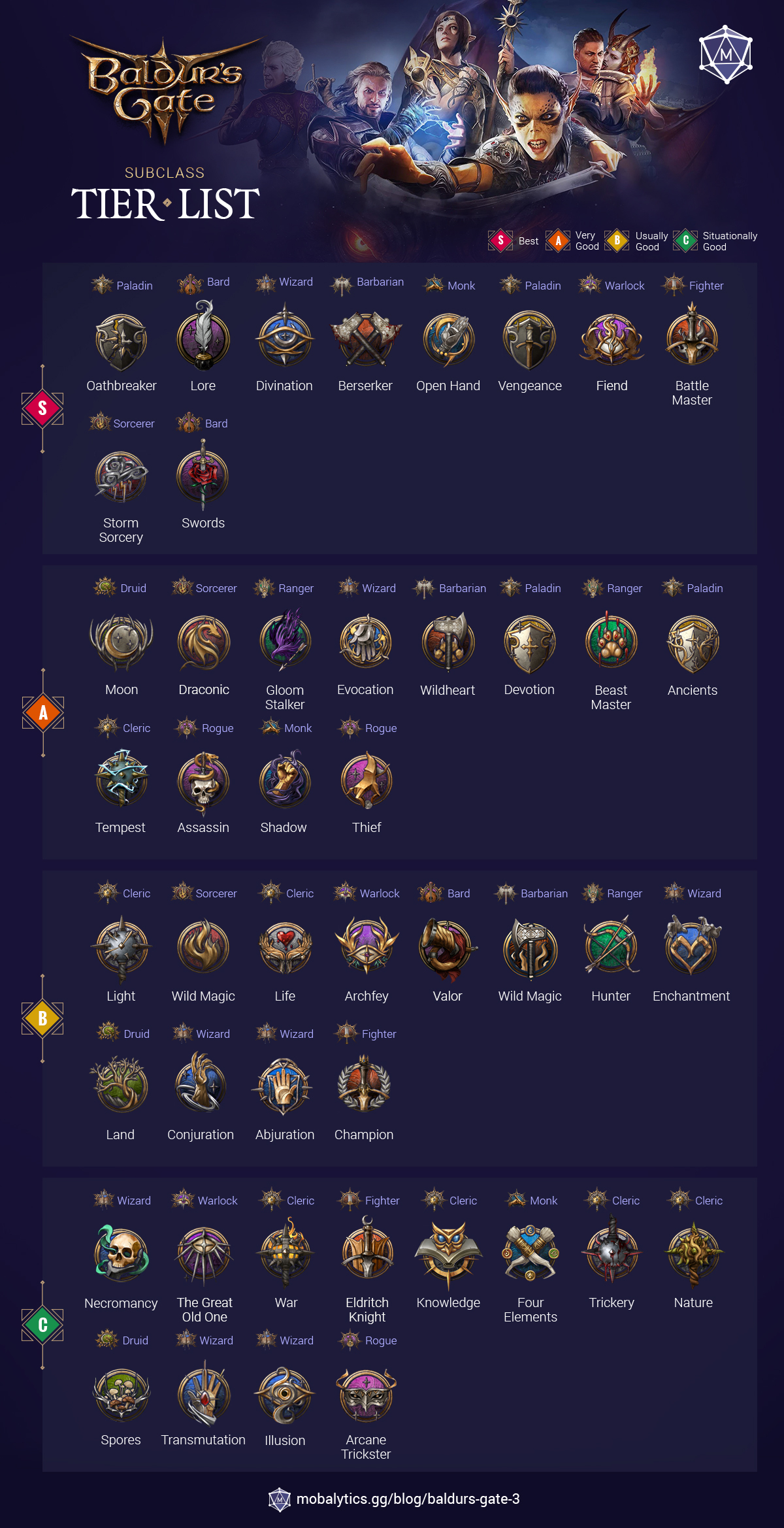
I’ll be direct: Lore sits top for utility and control. Swords is second for players who want hands-on combat with flair. Valor is third, solid but sometimes feels like it’s trying to be everything and ends up leaning on others. That’s a bit controversial because Valor players will argue—and they’re not wrong.
Tier list (quick):
- Lore — S Tier: best overall toolbox.
- Swords — A Tier: exciting, tactical, rewarding.
- Valor — B Tier: dependable, sometimes bland.
Tactical examples (why I recommend what I do)
Why advise Alert on Lore? You turn skill advantage into better positioning and initiative control—means you choose which fights to avoid. Why tell Swords to take Mobile? You’ll bait and reposition without opportunity attacks, which multiplies your Blade Flourish value. These are cause-and-effect choices: the feat changes play patterns.
// Tiny macro example: quick-inspire (pseudo)
if (ally.hp < 50%) then cast Healing Word
else if (enemy.aboutToHit) then use CuttingWords
end
Oddly enough, a counterintuitive insight: a pure-Lore Bard with Eldritch Blast (Magic Initiate) often outperforms a Swords Bard in sustained single-target damage when measured over long encounters—because Lore finds ways to stack control and reliable cantrips. Surprising, right?
Two controversial points: Lore is overrated by min-max forums, and Valor is secretly the best pick for new groups because it’s forgiving. Say that at your table and — well, expect debate!
Final practical notes
Don’t obsess over tier lists. Build around your party and the problems you expect to meet. If you’ll lead dialogues and skill challenges, pick Lore. Want to feel like a swashbuckler? Choose Swords. Need to hold a line and buff allies? Valor’s your friend. I’ve tried them all; some nights I soloed a run with Lore, other times Swords felt indispensable.
One last thing: experiment. Try one playstyle in Act I and switch if it isn’t clicking (yes, you can respec—use it). There are exceptions, fights that only one College will shine at. That’s the fun. May your dice be merciful and your songs painfully on point! 🎵