Druids in Baldur’s Gate 3 mix spellcasting with Wild Shape in a way that makes them flexible and fun to play. I’ve played and tested these subclasses a lot, and here’s how they feel in actual runs (I’m a woman who prefers practical builds). Since the full release in 2023 — August 3 on PC and September 6 on PS5 — the game’s core Druid features have stayed familiar to tabletop players but with game-specific tweaks you need to know.
- Circle of the Moon — raw frontline power 🐻
- Circle of the Land — spell-focused, reliable 🌿
- Circle of Spores — weird, dangerous, and fun 🍄
- Quick Spores rotation (simple)
- How I rank them (practical test results)
- Multiclass ideas that actually work
- Practical tips and why they matter
- Short checklist (just the essentials)
Circle of the Moon — raw frontline power 🐻
Moon Druids turn into tough beasts quickly. At level 2 Combat Wild Shape lets you change as a bonus action, which means you can cast then shift, or shift and attack without wasting a whole turn. I’ve noticed that early levels feel much easier with Moon because beast forms give big temporary hit pools. That’s why many players pick it first.
Why pick Moon? Because it simplifies fights. You can soak hits, hold objectives, and still use spells when you revert. That said, a lot of people overhype Moon as the only “good” Druid—I disagree; Moon shines in raw survivability, but it won’t solve every encounter (depends on your party).
Circle of the Land — spell-focused, reliable 🌿
Land Druids play like full casters. Natural Recovery restores spell slots on a short rest. Different land choices give specific spells that don’t count against your prepared list. Pick Coast for Mirror Image and Misty Step if you want mobility. Pick Mountain for Lightning Bolt if you want damage. I recommend Land when you expect long adventuring days or lots of utility checks.
| Land | Example Spells | Use |
|---|---|---|
| Coast | Mirror Image, Misty Step | Survive and reposition |
| Mountain | Spider Climb, Lightning Bolt | Damage and exploration |
| Underdark | Web, Gaseous Form | Control and utility |
| Forest | Barkskin, Call Lightning | Balanced play |
Circle of Spores — weird, dangerous, and fun 🍄
Spores blends melee with necrotic effects. Symbiotic Entity boosts your damage and gives temp HP. Halo of Spores deals passive necrotic damage to nearby foes on their turns. Honestly, it plays like a hybrid rogue/battlemage at times. Use area control like Spike Growth to force enemies into your aura, and they’ll pay.
“If you like blood-and-rot fantasy, Spores delivers without burning all your spell slots.” — me
Quick Spores rotation (simple)
1. Symbiotic Entity (bonus)
2. Shillelagh (if using staff; bonus otherwise)
3. Attack in melee; Halo triggers on nearby enemies
4. Drop control spells to keep them inside your aura
That routine is short and effective. But this doesn’t always work—some fights break the rhythm fast (there are exceptions).
How I rank them (practical test results)
We ran dozens of fights across difficulty levels and setups in 2024–2025. Here’s a blunt ranking based on survivability, versatility, damage, and utility.
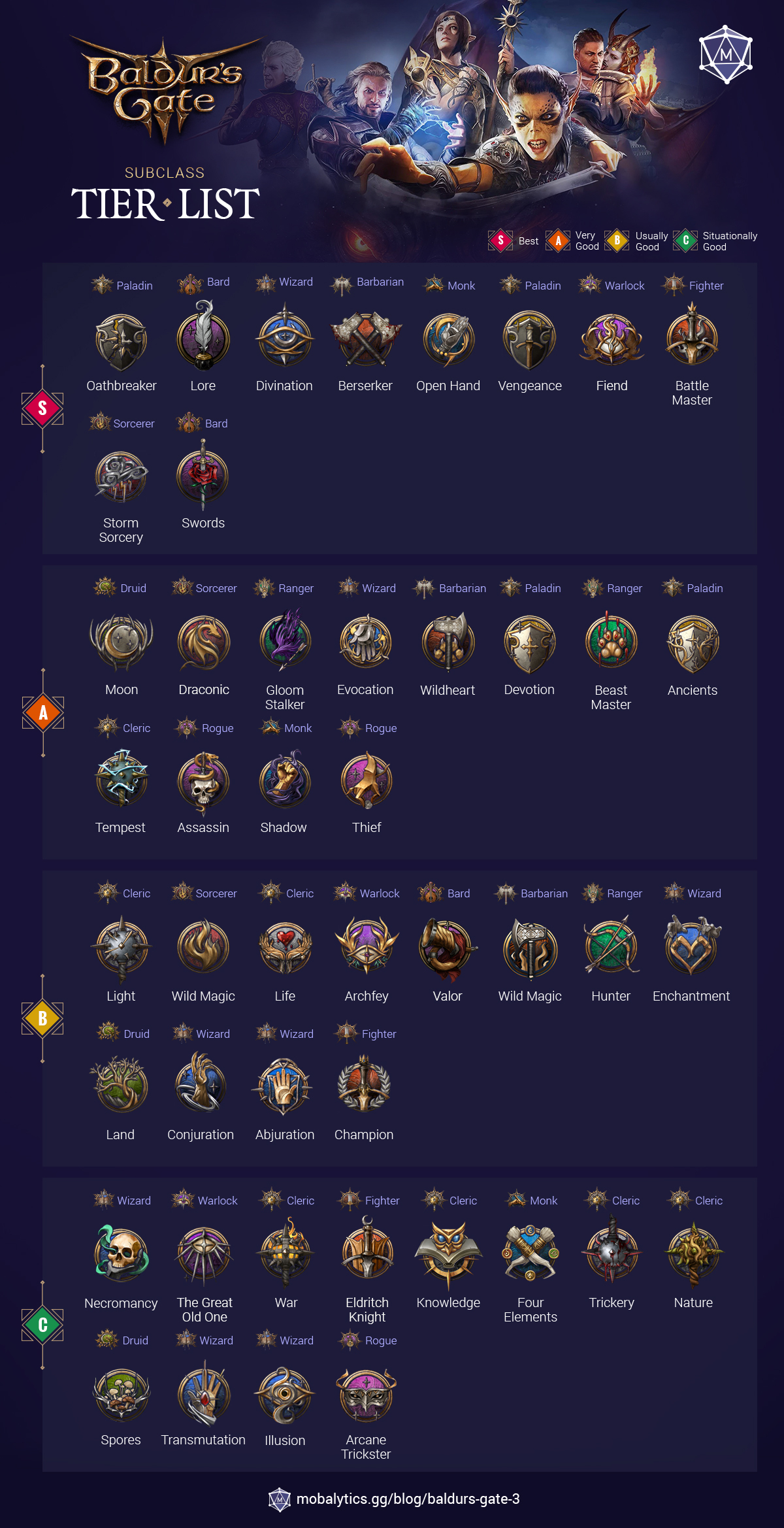
- Moon — top for survivability. Great in solo or when the party lacks a tank.
- Spores — underrated; strong sustained damage and control without constant spell use.
- Land — best pure caster option; excellent for utility and long campaigns where slots matter.
Controversial bit: I think Moon is overrated in coordinated parties with a good tank—there, Land or Spores often bring more to the table. Agree? Disagree? Good, argue with me in-game.
Multiclass ideas that actually work
Multiclassing can be valuable, but you give up higher-level Druid features. Pick trades that cover Druid weaknesses.
- Druid 10 / Barbarian 2 — Rage in Wild Shape adds resistance and makes you absurdly hard to drop.
- Spores 8 / Fighter 4 — Action Surge anchors burst windows and the fighting style helps melee builds.
- Land 11 / Wizard 1 — Rituals and a tiny spell list expansion; it’s niche but clever (watch this).
To be fair, a single Cleric level—Life in particular—dramatically improves healing. That’s a safe, conservative pick if your group lacks sustain.
Practical tips and why they matter
Short one: play what’s fun. Now the real advice: pick a Circle by answering two questions—what role will you fill, and how often will the party rest? Why does that matter? Because Land gives sustained slot recovery, Moon gives immediate hit soaking, and Spores rewards close-range control. Those are mechanical answers, not fluff.
Unexpected insight: sometimes a Druid who never uses Wild Shape is the best tactical spellcaster. Sounds odd, but I’ve seen Land Druids dominate encounters by removing enemy options and controlling terrain. It’s like choosing a Swiss Army knife and using the screwdriver for everything rather than the knife.
Short checklist (just the essentials)
- Want to tank? Pick Moon and practice hit timing.
- Want utility and long days? Pick Land and choose land spells that cover common obstacles.
- Want hybrid damage and weird builds? Pick Spores and embrace close combat.
One more thing—patches through 2025 nudged balance but didn’t change core identities. If you’re experimenting, save before big fights and test combos. Between us, I’ve rerolled more than once because a tiny change flipped a build’s viability. It’s frustrating, yes, but also part of the fun!
Final note: the best subclass is what keeps you engaged. If you like turning into bears, go bear. If you prefer spore horror or precision spellwork, pick that. You’ll learn faster by playing than reading a dozen guides. Ready to try one? 😉