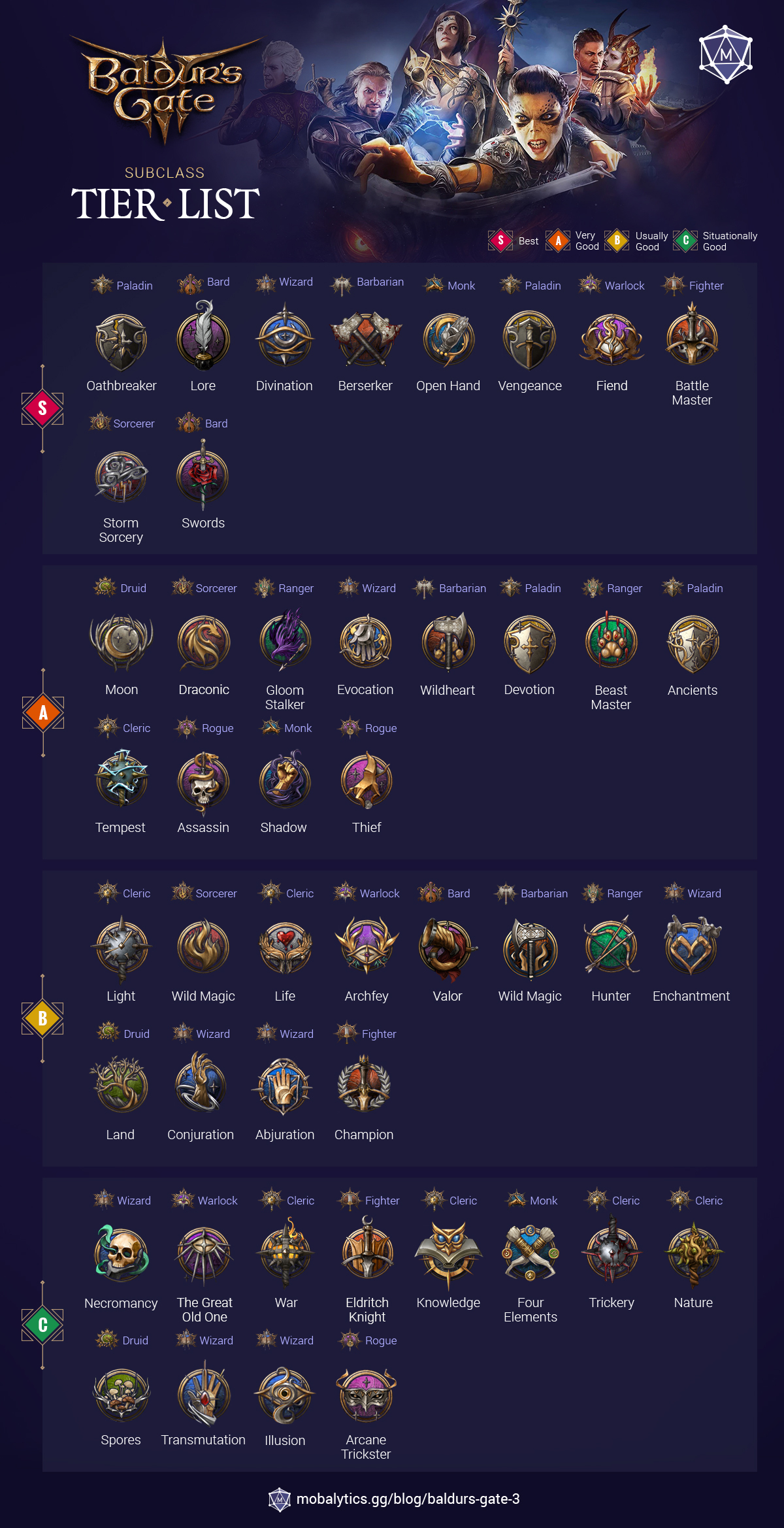
I play Warlocks in Baldur’s Gate 3 a lot, and I write from hard-won experience. You’ll get direct advice on Patrons, Pact Boons, and sensible multiclassing—no fluff.
Want raw damage, subtle control, or battlefield tricks? You have clear choices. I’ve noticed players pick a Patron by aesthetic and then regret the build later. That won’t happen if you understand why each option works and where it fails (there are exceptions).
The Fiend: durability and steady damage 🔥
The Fiend gives fire spells and survivability. Dark One’s Blessing grants temporary hit points when you reduce an enemy to zero, which pairs well with sustained damage cantrips like Eldritch Blast. In my experience, that self-heal is why many newer players do best here.
Why choose it? Because it’s simple and reliable: you want damage that keeps you alive. Be honest, however—Fiend doesn’t out-DPS a pure Sorcerer in raw spellcasting. But it wins when fights stretch between rests and you need consistent throughput and personal defenses.
- Key perks: temp HP on kill, fire-focused spells, occasional resistance at higher levels.
- Caveat: depends on enemy composition and encounter design.
Great Old One: mind games and tactics 🧠
The Great Old One is about control and roleplay tools. Telepathic speech opens dialogue branches and ambushes that other builds can’t reach. We found that GOO excels in crowd scenarios where turning enemies into liabilities matters more than single-target burst.
| Level | Notable Effect |
|---|---|
| 1 | Telepathic contact; social leverage |
| 6 | Defensive tricks that punish attackers |
| 10 | Strong mental defenses (psychic resistance) |
Surprisingly, some players underrate GOO because it’s less flashy. But if you like setup plays and manipulating battlefield priorities, this Patron pays off. Here’s the funny part: it often changes how you approach every encounter—sometimes you win without doing much damage at all.
Archfey: tricks, charm, and utility ✨
Archfey leans on enchantment and escape. Misty Escape can save you from a bad roll, and charm spells let you avoid fights. To be fair, Archfey requires thinking—if you’re impatient, it won’t work the way you expect.
Why pick Archfey? Because control and utility alter the entire flow of play: reveal invisible foes, force repositioning, or bypass enemies with deception. Between us, I prefer Archfey in parties that lack a true controller.
Quick pact notes:
- Pact of the Chain: powerful scout familiar (imp is notable for stealth and niche tricks).
- Pact of the Blade: makes you a melee option; pairs well with Charisma builds but needs investment.
- Pact of the Tome: grants extra cantrips—valuable for utility or shoring up weaknesses.
“Pick the pact that plugs your holes, not the one that looks coolest.” — practical advice I repeat at the table.
Multiclass reality check: dipping into other classes gives tools but also delays key Warlock features. It depends on your party and the campaign’s expected level pacing.
Good mixes I’ve used (and why):
- Fiend 10 / Paladin 2: grants heavy armor and Divine Smite, improving melee durability and burst when you need it.
- GOO 5 / Sorcerer 7: Metamagic expands control options; Quickened Spell plus short-rest slots is potent.
- Archfey 7 / Bard 5: social dominance and extra spells for sustained charm play.
Code tip (macro for repeating Eldritch Blast target selection in some UI mods):
// Example pseudo-macro (adapt to your mod)
cast("Eldritch Blast");
wait(250);
target("nearest_enemy");
One controversial take: many players overvalue Pact of the Blade; often, Pact of the Tome gives more versatility for solo play. I’ll probably catch heat for saying that, but it’s what I’ve seen on multiple playthroughs.
Small, practical table of spells I recommend by focus:
| Focus | Spells |
|---|---|
| Damage | Scorching Ray, Fireball (if available), Eldritch Blast |
| Control | Dissonant Whispers, Hold Person, Phantasmal Force |
| Utility | Misty Step, Faerie Fire, Greater Invisibility |
A counterintuitive insight: Warlocks become more powerful when they embrace roleplay options and avoid trying to be a second Sorcerer. Oddly enough, leaning into the Patron’s identity often nets better mechanical results.
Dates and facts: Warlocks in BG3 follow the short-rest slot recovery model consistent with D&D 5e rules as implemented up to 2025. That matters because your resource management is different from a Long Rest caster’s. Use short breaks strategically.
Final practical checklist (simple):
- Decide: damage, control, or utility?
- Pick Pact to cover weaknesses.
- Consider a small multiclass dip only if its benefits clearly outweigh delayed Warlock features.
Honestly, experiment. Try a run focused on roleplay with Archfey, then swap to Fiend for a greedy damage run. You’ll learn faster by doing—trust me on that. (I stumble over my phrasing sometimes, but the point stands.)
Got a specific build or party makeup? Tell me and I’ll point out exact spells, invocations, and a multiclass route that fits your campaign goals. 🔮