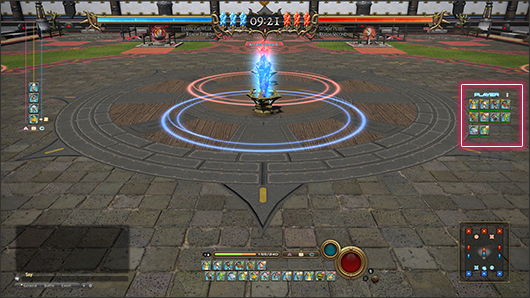
Lord of Verminion sits in the Golden Saucer as Final Fantasy XIV’s tactical minigame. I’m a long-time player and I’ve noticed it rewards planning more than raw speed. This guide was updated April 1, 2025, and I’ll share clear, practical advice from my experience—no fluff, just what works.
- FFXIV — Lord of Verminion: Practical Guide from an Experienced Player (female author)
- 🎮 What it is, plain and simple
- 🏁 First steps in the Golden Saucer
- ⚔️ Unit roles and simple play tips
- 📊 Formations, timing, and why they matter
- 🎯 Advanced ideas and a couple of spicy takes
- 💰 Rewards, progression, and why it’s worth your time
- Final practical checklist (short)
FFXIV — Lord of Verminion: Practical Guide from an Experienced Player (female author)
🎮 What it is, plain and simple
Lord of Verminion turns your minion collection into small armies that fight in real time. Units follow a rock-paper-scissors pattern: Eye beats Gate, Gate beats Shield, Shield beats Eye. That’s the core; everything else layers on top. Surprisingly, learning that loop gives you 70% of the advantage right away.
Matches use three lanes and arcana stones as objectives. You push lanes, defend your stones, and try to destroy the enemy’s before they take yours. Quick decisions matter, but so does setup—why? Because proper lineups make later choices obvious. In my experience, good formation beats fancy micro more often than not.
🏁 First steps in the Golden Saucer
Talk to the Tournament Registrar to unlock the game. Complete the tutorial. It tells you basics but won’t teach timing or psychology. So practice the single-player challenges first (we found they teach real pacing). Then try multiplayer when you feel steady.
Build a deck by balancing cost and role. Cheap minions give early lane pressure; expensive ones swing late fights. This matters because points limit how many units you can drop per minute. Don’t waste points on flashy minions if they don’t fit your plan—here’s why: predictable value per point wins more matches.
| Type | Role | Beat | Cost (typical) |
|---|---|---|---|
| Eye | Ranged DPS | Gate | 2–4 |
| Gate | Melee assault | Shield | 1–3 |
| Shield | Tank/support | Eye | 2–5 |
| Special | Abilities change match | Situational | 3–6 |
⚔️ Unit roles and simple play tips
Eye units poke from behind a wall; Gate rush and disrupt; Shield hold lines and buff. Special units like Odin or Bahamut (big cost) can decide a game if timed right. Honestly, people overvalue rarity—sometimes a 2-cost unit placed perfectly will win a lane.
“Place your tanks where the enemy must answer, then let damage dealers do their job.” — practical advice
Want examples? Try this quick deck (copyable):
{
"deck": [
  {"name":"Wind-up Cursor", "type":"Eye", "cost":3},
  {"name":"Wind-up Warrior", "type":"Gate", "cost":2},
  {"name":"Guardian", "type":"Shield", "cost":4},
  {"name":"Special", "type":"Special", "cost":5}
]
}
📊 Formations, timing, and why they matter
Lane control is the backbone. Secure one lane strongly and pressure others. Timing your drops beats having extra points on the board at the wrong moment. Why? Because minions on the field are the economy—you want them to trade efficiently for arcana damage, not sit idle.
Here’s a practical lane formation that I use often:
[S] [E] [E] → enemy
[S] [G] [E] → enemy
[S] [G] → enemy
That setup gives front-line defense and ranged coverage. Caveat: this doesn’t always work—depends on your opponent’s deck and playstyle. There are exceptions. Watch for area attacks and split your units when needed.
🎯 Advanced ideas and a couple of spicy takes
Psychological play matters: some players panic and spend points poorly when pressured. Read their reactions. Here’s a controversial point: weekly tournaments reward players who grind collection more than the cleverest strategists. Some will argue otherwise; I’ve noticed the advantage leans to collection depth. Another debate: is Lord of Verminion real PvP? I say yes, but it’s different—tactical, not reflex-based.
Meta adaptation matters. On April 1, 2025 I saw a rise in rush comps that force reactive play. Counter by saving points and striking elsewhere. Resource management is key—never spend everything unless you’ll win the trade. Practice specific counters until your reaction is automatic (this actually saves mental energy in tense matches).
- Rush: heavy Gate focus for early kills
- Turtle: Shield-first, then finish late
- Mixed: balance and adapt
- Special-timing: build around one huge play
💰 Rewards, progression, and why it’s worth your time
MGP gains and unique minions are the main payoffs. Daily challenges and campaign missions award MGP and sometimes new minions. Weekly tournaments give the largest MGP—practice if you chase that. The game ties into your collection: the wider it is, the more tactical options you have. That’s why collecting thoughtfully matters more than collecting blindly.
| Reward | Source | MGP (typical) |
|---|---|---|
| Tournament | Weekly | 10,000–50,000 |
| Daily | Daily reset | 1,000–3,000 |
| Campaign | Solo | 500–2,000 |
Final practical checklist (short)
- Learn type advantages first.
- Practice single-player missions until timing feels natural.
- Build decks that complement, don’t just impress.
- Save points for emergencies and big counter plays.
Here’s the funny part: once you treat it like an orchestra—tanks as percussion, ranged as strings—you start winning more often. Oddly enough, small, consistent plays beat big flashy moves in most matches. Want to try right now? Head to the Golden Saucer and run five single-player missions, then play one multiplayer match. You’ll see the difference.
Between us: some guidance repeats on purpose. Practice and repetition are how chess players get good, and Lord of Verminion is like chess with kittens—adorable but brutal. I’ll probably repeat that later. Good luck, and I’ll see you in the arena!