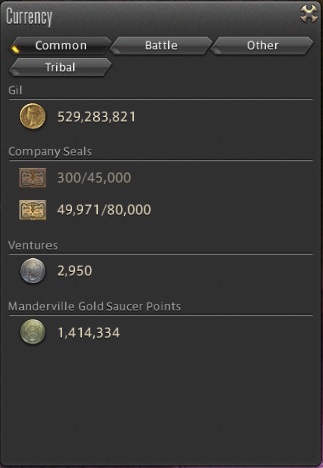
Final Fantasy XIV uses many different currencies. I play often and I’ll tell you plainly how they work, why they matter, and what I spend my time on. This isn’t a theory piece; it’s practical advice from someone who’s managed gil, tomestones, scrips and every odd token in Eorzea for years (yes, I have alts).
- 💰 The basics — why multiple currencies exist
- 🏆 Gil: what it buys and how to earn it
- Pro tip
- ⚔️ Tomestones and endgame currency
- 🎯 Specialty currencies: why they matter
- Quick reality check
- 📊 Conversions and spending priority
- 💡 Advanced tips I actually use
- Sample weekly checklist
- Extras — tools, quotes and a quick script
- Final notes (short)
💰 The basics — why multiple currencies exist
Gil is the main money. Other currencies exist to gate content, reward activities, and stop inflation. In my experience, that design keeps new and old players doing different things instead of one grind dominating everything. Honestly, it makes the game more interesting.
Why should you care? Because ignoring the right currency at the wrong time costs you weeks of progress. There are exceptions, of course (depends on your niche), but plan your weekly work to match which currencies are capped and which aren’t.
🏆 Gil: what it buys and how to earn it
Gil buys housing, marketboard items, retainers, and everyday supplies. I’ve noticed steady daily routines beat chasing one big flip. Short runs every day compound into meaningful wealth.
| Method | Typical Daily | Effort |
|---|---|---|
| Daily roulettes | ~50k | Low |
| Crafting high-demand items | ~150k–400k | Medium |
| Market trading | variable (100k–1M+) | High |
Do you want a quick routine? Try this: daily roulettes, check retainer ventures, sell gathered mats during peak hours. Sounds obvious, but many players skip the small steps.
Pro tip
Sell materials before logging off and stagger listings across prime hours — you’ll see buyouts increase.
⚔️ Tomestones and endgame currency
Tomestones are the structured way FFXIV gives endgame gear. Names and exact caps change with patches (they’ve changed multiple times since A Realm Reborn launched on August 27, 2013), so I track the current patch notes when a new patch drops. Poetics historically lets you gear alts; the current-tile tomestones are usually weekly-capped to slow down immediate best-in-slot acquisition.
Which runs pay best? Daily Expert and Alliance roulettes, and certain weekly bonuses. That said, the highest returns per minute usually come from content you already clear quickly. If you’re slow in a dungeon, it won’t pay off the way you expect.
🎯 Specialty currencies: why they matter
There are Beast Tribe tokens, PvP marks, scrips for crafters and gatherers, MGP from Gold Saucer, hunt tokens, seasonal tokens, and more. Each one unlocks specific rewards — mounts, glamour, recipes, or materials. We found that players who focus on the currency tied to their goal save time (and frustration).
- Beast Tribe tokens → faction items and sometimes materials
- Wolf Marks → PvP gear and glamour
- Scrips → crafting tools, materia, and exclusive recipes
Between us: some specialty items aren’t tradable. So if you want that mount, there’s no shortcut via gil.
Quick reality check
Is the Market Board “pay-to-win”? Controversial, but yes — money accelerates access to crafted power. However, skill and time still matter much more for progression.
📊 Conversions and spending priority
Some currencies convert indirectly via items sold on the Market Board or NPC exchanges. Specific exchange rates vary by server and patch; don’t trust a single forum thread forever. I update my own spreadsheet each patch week (Tuesday resets change things for many players).
// Simple spending order I use (basic):
1) Weapon
2) Chest
3) Legs
4) Accessories
5) Cosmetics
Why weapon first? Because it usually boosts item level the most for the lowest cost-per-IL. That’s basic math, but it matters in raid progression.
💡 Advanced tips I actually use
Make a weekly plan. I keep a calendar with weekly resets, patch dates, and Gold Saucer events. It’s saved me time and a lot of wasted tomestones. Oddly enough, timing your Beast Tribe turn-ins right after a patch can net you a better market position for materials.
Cross-character specialization works: one alt makes scrips, another runs PvP, a third handles daily roulettes. This multiplies your efficiency, but it requires discipline (and it’s more work — let’s be honest!).
Sample weekly checklist
- Plan: check patch notes and market prices
- After reset: do high-value roulettes
- Midweek: hunt and Beast Tribe dailies
- Weekend: market flipping and retainer maintenance
There’s a counterintuitive insight: sometimes hoarding an uncapped currency (like older tomestones) is worse than converting a portion to gil or materials right away, because market demand spikes after patches.
Extras — tools, quotes and a quick script
“Currency management isn’t separate from gameplay; it is gameplay.” — a line I say to my Free Company more than I should.
Emoji reminder: use 🔥 for big goals and 🧾 for daily chores.
// Example: simple “currency calendar” entry (text file)
Tuesday 08:00 reset — run Expert Roulette
Wednesday — Beast Tribe turn-ins
Friday — check Market Board prices
Final notes (short)
Mastery takes time. Start with routine daily and weekly tasks, then add market timing and cross-character plans. This won’t always work perfectly (there are exceptions), but it’ll save you headaches and help you enjoy the game more. To be fair, sometimes I still forget a retainer — it happens!
Want a tailored weekly plan for your class and server? Ask and I’ll sketch one for you (I’m happy to share my spreadsheet template!).